
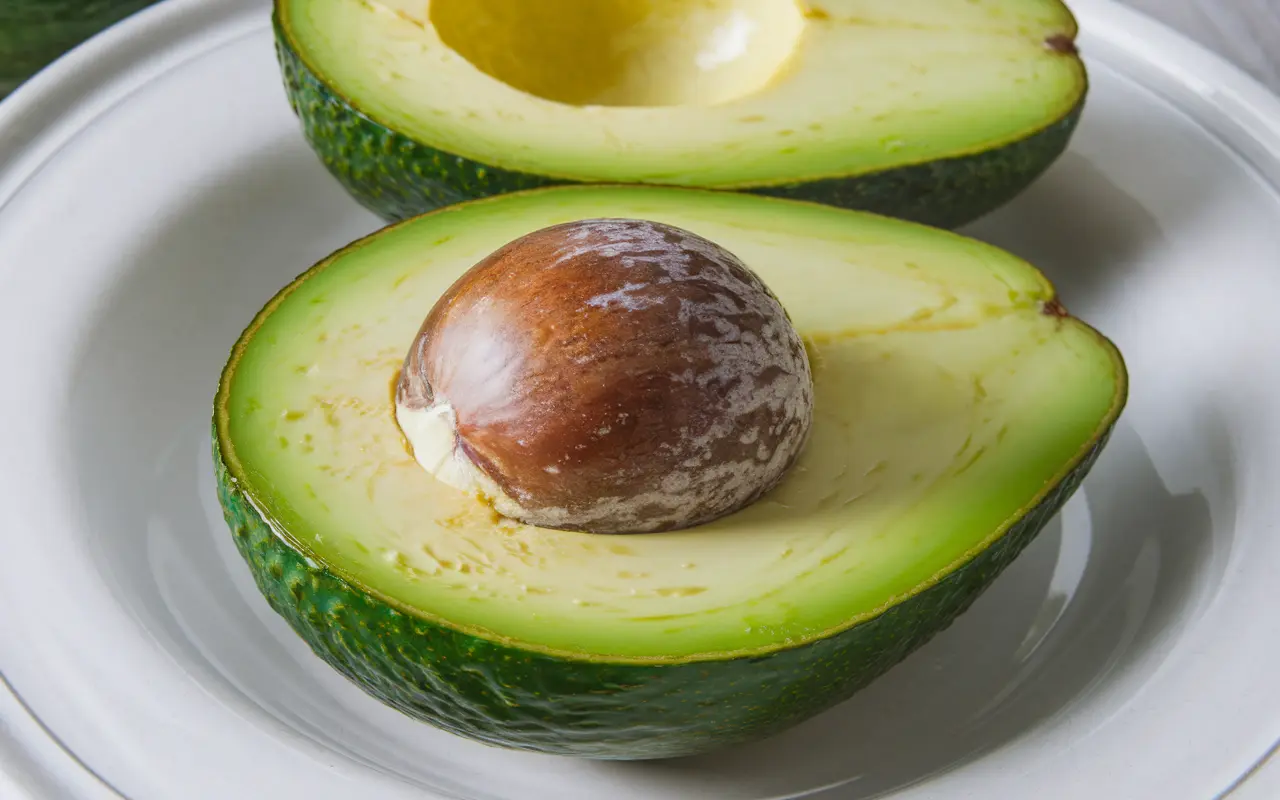
From creamy toast toppers to silky smoothies, avocados aren’t just trendy, they’re transformative. Discover how this green fruit fuels your heart, sharpens your mind, and adds natural glow to your day.
Table of Contents
Creamy, rich, and endlessly versatile, avocados have become more than just a brunch favorite, they’re a true nutritional powerhouse. Beyond their irresistible texture, the real benefits of avocado lie in its impressive mix of healthy fats, fiber, and vital nutrients that support your heart, brain, and skin. In this guide, Chef breaks down why this green gem deserves a daily spot on your plate, backed by science, flavor, and smart ways to enjoy it.
Podcast with Chef, The Real Benefits of Avocado
Discover why this creamy fruit goes far beyond toast. In this quick conversation, Mia and Chef break down how avocados support heart health, digestion, energy, and simple everyday cooking. Tune in and get the smart tips in minutes.
Why Everyone Loves Avocados
Avocados stand out for more than their creamy taste. The benefits of avocado reach far beyond flavor, combining healthy fats, fiber, and nutrients that make every meal more satisfying. These avocado benefits are what turn a simple fruit into a daily source of comfort and wellness. Easy to add to any breakfast, lunch, or dinner, avocado brings both pleasure and nourishment to your plate.
A Superfood That Feels Like a Treat
Few foods combine such rich flavor with so many nutrients. The avocado benefits go beyond simple energy, its natural oils, antioxidants, and fiber work together to nourish you from the inside out while still tasting indulgent.
Loved by Nutritionists and Home Cooks Alike
Nutrition experts often highlight the benefits of avocado for heart health, brain function, and digestion. Home cooks love it just as much for its creamy texture and versatility. It’s that rare food that feels like comfort and health at the same time, fitting easily into modern meals and classic favorites.
What Makes Avocados So Nutritious?
Behind every creamy bite lies an impressive nutrient mix. The benefits of avocado come from its powerful blend of vitamins, minerals, and healthy fats that work together to support heart, brain, and skin health. These avocado benefits make it one of the most nutrient-dense foods you can add to your daily meals.
The Nutrient Powerhouse
Avocados deliver a full package of nutrients that few other fruits can match. They are rich in potassium, folate, vitamin K, and vitamin E, all key for heart function, energy balance, and immune strength. The benefits of avocado also come from its magnesium and B vitamins, which help your body turn food into steady, lasting energy.
Healthy Fats and Fiber for Lasting Energy
Among the best avocado benefits is its balance of healthy fats and fiber. These monounsaturated fats support healthy cholesterol levels, while the fiber helps stabilize blood sugar and keeps you feeling full longer. Together, they provide energy that lasts and promote long-term heart health.
Natural Antioxidants for Protection
The benefits of avocado go beyond nutrition alone. Its antioxidants, including lutein and zeaxanthin, protect your eyes from blue light and help reduce inflammation. These compounds also contribute to healthy skin by fighting oxidative stress and supporting a natural glow. Similar antioxidant effects can also be found in carrots, which are especially known for supporting skin and eye health.
Proven Health Benefits of Avocado
The benefits of avocado go far beyond basic nutrition. Backed by science, this fruit supports your heart, brain, and metabolism while helping your body stay strong and balanced. Studies from Harvard and the National Institutes of Health confirm that people who eat avocados regularly enjoy better cardiovascular health and overall diet quality. Let’s look at the key avocado benefits your body can truly feel.
Supports Heart Health Naturally
Research shows that the benefits of avocado include healthier cholesterol levels and stronger heart function. Its monounsaturated fats help reduce bad cholesterol while increasing the good type, much like olive oil. A large Harvard study found that eating two servings of avocado per week may lower the risk of heart disease by up to 21 percent.
Improves Digestion and Gut Health
Fiber is one of the most underrated avocado benefits. Each fruit provides about 10 grams of fiber, which supports digestion, prevents bloating, and feeds your gut’s healthy bacteria. Sweet potatoes are another excellent source of gut-friendly fiber with similar benefits. This balance keeps your system regular and supports long-term digestive comfort.
Helps Maintain Stable Blood Sugar
Despite their creamy texture, avocados have a low glycemic index. The benefits of avocado in this area include stabilizing glucose levels and slowing down sugar absorption after meals. That’s why many dietitians recommend avocado as a smart carb companion for balanced energy. Oats also provide slow-digesting carbohydrates that help maintain steady glucose levels.
Nourishes Skin and Hair from Within
One of the most visible avocado benefits comes from its vitamin E and antioxidants, which fight oxidative stress and dryness. The natural oils deeply nourish skin cells, while B-vitamins help strengthen hair and keep it shiny and healthy.
Boosts Brain and Memory Function
Avocados are a rich source of healthy fats that feed the brain. Studies show that the benefits of avocado include sharper focus, improved memory, and better blood flow to the brain. Almonds offer similar brain-supporting nutrients, including vitamin E and healthy fats. The combination of vitamin E and lutein supports cognitive health as we age.
Strengthens Bones and Joints
Few people realize that the avocado benefits also touch bone health. Its vitamin K content helps the body use calcium effectively, while magnesium contributes to strong joints and steady muscle function.
Supports Eye Health
Avocados contain lutein and zeaxanthin, two antioxidants known to protect the eyes from UV and blue light damage. These compounds are also found in leafy greens like spinach, making both excellent for long-term eye health. These nutrients help prevent macular degeneration and maintain clear, healthy vision over time.
Reduces Inflammation and Supports Immunity
Another key benefit of avocado is its anti-inflammatory power. The combination of antioxidants, monounsaturated fats, and phytochemicals helps calm inflammation, support immunity, and lower oxidative stress throughout the body.
May Lower Cancer Risk (Emerging Evidence)
New research suggests that the benefits of avocado might even extend to cancer prevention. Certain compounds, such as persenone A and B, show potential in reducing oxidative damage and slowing abnormal cell growth, though more studies are needed to confirm these effects.
How Avocados Help You Absorb More Nutrients
One of the most surprising benefits of avocado is its ability to help your body absorb nutrients more efficiently. The healthy fats in avocado work like a natural booster, allowing your body to take in more vitamins and antioxidants from other foods. Whether you eat spinach, carrots, or tomatoes, adding avocado to your meal can increase the absorption of nutrients like vitamin A, D, E, and K.
Why Healthy Fats Make the Difference
Fat-soluble vitamins need healthy fats to be absorbed properly, and that’s where avocado stands out. Its monounsaturated fats transport essential nutrients through the bloodstream, turning simple meals into nutrient-rich power combinations. These avocado benefits make it a perfect partner for vegetables, grains, or even lean proteins.
Pairing Avocado with Everyday Foods
The benefits of avocado go beyond its own nutrients. Mixing it with colorful vegetables, whole grains, citrus fruits, or even yogurt helps your body unlock a wider range of antioxidants and minerals. Try adding avocado to a tomato salad, a smoothie, or a quinoa bowl to naturally boost nutrient uptake and flavor at the same time.
Smart Ways to Add Avocados to Your Diet
Enjoying the benefits of avocado doesn’t have to be complicated. This fruit fits into almost any meal, bringing flavor, creaminess, and nutrition in one simple step. From quick breakfasts to balanced dinners, the avocado benefits can easily become part of your daily routine.
Simple Everyday Ideas
Start your morning with mashed avocado on whole-grain avocado toast, topped with a sprinkle of chili flakes or a poached egg. Add slices to salads, wraps, or tacos for a creamy texture that replaces heavier dressings. For a refreshing twist, blend avocado into smoothies to make them thicker, richer, and more filling.
Creative Pairings for Maximum Benefits
Combine avocado with tomatoes, spinach, citrus, or lean proteins to amplify its nutritional impact. These pairings enhance the benefits of avocado by improving nutrient absorption and balancing flavor. Whether you make an avocado and tuna salad or a light pasta bowl, each bite offers both taste and long-term wellness.
Storing and Choosing the Perfect Avocado
To enjoy the avocado benefits at their best, choose fruits that yield gently to pressure but aren’t soft. To speed ripening, place them in a paper bag with a banana. Once ripe, store them in the fridge to extend freshness, or brush cut surfaces with lemon juice to prevent browning.
What People Get Wrong About Avocados
Even with all the proven benefits of avocado, a few myths still make people hesitate to eat them regularly. The truth is, avocados are one of the healthiest sources of natural fats and offer more advantages than drawbacks when eaten in the right amount.
Debunking the “Too Fatty” Myth
Many assume that avocados are unhealthy because they contain fat, but that’s one of the biggest misconceptions. The benefits of avocado come precisely from these monounsaturated fats that protect your heart, lower bad cholesterol, and provide lasting energy. Unlike processed or fried fats, avocado fats are clean fuel your body can actually use. Eggs face a similar misconception, but their healthy fats and nutrients make them a smart choice in balanced diets.
Misunderstanding Calories and Weight
Another common misunderstanding about the avocado benefits is its calorie count. While it’s true that avocados are calorie-dense, they promote fullness and prevent overeating. Eating half an avocado can replace less healthy snacks, making it easier to manage weight naturally while still feeling satisfied.
Skipping It Because of Texture or Timing
Some people avoid avocados because they find them tricky to time or too soft when ripe. Learning when to cut and store them makes a big difference. Once you discover the right ripeness, the benefits of avocado in nutrition, texture, and flavor fit perfectly into any balanced lifestyle.
Are There Any Risks or Side Effects?
The benefits of avocado are clear, but like any food, moderation and awareness matter. For most people, avocados are perfectly safe and highly nutritious. Still, understanding a few rare risks helps you enjoy all the avocado benefits with confidence.
Allergies and Sensitivities
Although uncommon, some people may experience avocado allergies, especially those sensitive to latex. The proteins in both are similar, which can cause itching or swelling in rare cases. If you suspect a reaction, it’s best to check with a healthcare professional before eating more.
Potassium and Kidney Health
One of the most valuable avocado benefits is its high potassium level, but that can be a concern for people with kidney problems. Anyone on a restricted potassium diet should monitor intake carefully or ask their doctor for personalized advice.
Medication Interactions
Avocados can interact with blood thinners or medications affecting vitamin K balance. While this doesn’t apply to most people, consulting your doctor is wise if you take anticoagulants. Knowing how these benefits of avocado fit into your health plan keeps you safe and informed.
Digestive Comfort and FODMAP Sensitivity
Avocados are naturally rich in fiber, but eating too much at once can cause bloating in sensitive individuals. They also contain small amounts of FODMAPs, which may bother those with irritable bowel issues. Starting with small servings helps you enjoy the avocado benefits without discomfort.
Avocado Sustainability and Sourcing
Enjoying the benefits of avocado also means understanding where it comes from. This fruit grows best in warm regions like California, Mexico, and parts of South America, where responsible farming practices make a real difference. Choosing ethically sourced avocados supports both the environment and the farmers behind every harvest.
Water Use and Environmental Impact
Avocados need more water than most fruits, but the impact varies by region. Supporting farms that use smart irrigation or rainwater collection helps reduce waste and protect local ecosystems. Many producers now focus on sustainable growing methods to balance the avocado benefits we enjoy with environmental care.
Supporting Fair and Local Production
Buying avocados from local or certified farms ensures better quality and fair wages for growers. Look for “sustainably grown” or “Fair Trade” labels when possible. These small choices allow you to enjoy all the benefits of avocado while contributing to a healthier planet and community.
Top 4 Frequently Asked Questions
What are the main benefits of avocado for the heart?
The benefits of avocado for heart health are among the best known. Regular consumption supports healthy cholesterol levels, improves blood circulation, and may lower heart disease risk. Its natural fats and potassium help keep blood pressure steady and arteries flexible.
Can I eat avocado if I’m diabetic or have high blood sugar?
Absolutely. The benefits of avocado are especially valuable for people managing blood sugar. Avocados are low in carbs and rich in monounsaturated fats that help stabilize glucose levels. They can be part of a balanced diet when combined with vegetables, lean proteins, and whole grains.
How many avocados can I eat per day?
For most people, eating half to one avocado a day is ideal. It gives you all the benefits of avocado without adding too many calories. Eating more occasionally is fine if it replaces other high-fat foods in your diet. Balance is key, not restriction.
Is avocado good if I’m trying to lose weight?
Yes. The avocado benefits include healthy fats and fiber that help you feel full for longer. Studies show that people who include avocado in their meals tend to snack less and have better control of hunger. It’s not a magic food, but it supports weight management when used wisely.
Avocado Recipes to Try Today
Enjoying the benefits of avocado is easy when you bring them to your plate in fresh and simple ways. These recipes highlight its creamy texture, natural flavor, and ability to make any meal more nourishing.
Quick and Savory Ideas
- Avocado Chicken Salad – Creamy, protein-rich, and perfect for a light lunch.
- Avocado Toast with Egg – The classic breakfast that delivers energy and balance.
- Creamy Avocado Pasta – A smooth and dairy-free twist for pasta lovers.

Sweet and Refreshing Options
- Avocado Smoothie – Blend it with banana, spinach, and almond milk for steady energy.
- Chocolate Avocado Mousse – Rich, silky, and filled with antioxidants that boost mood and skin health.
Each of these ideas captures the avocado benefits in a simple, delicious form you can enjoy any time of day.
Chef’s Insight
As a chef, I’ve worked with avocados in countless dishes, and their magic never fades. What makes them special isn’t only the creamy texture or fresh taste, it’s how their nutrients work quietly to support your body every day. The benefits of avocado go far beyond the kitchen. From heart health to natural energy, this fruit proves that good food and good health belong together. Every slice, spread, or spoonful is a simple act of care for both your body and your appetite.
References and Trusted Sources
To ensure that every health claim and fact in this guide is accurate, all information about the benefits of avocado comes from verified medical and nutritional sources. These references reflect the latest research and expert consensus on avocado nutrition and wellness.
Sources:
National Institutes of Health (NIH) – Avocado Consumption and Risk of Cardiovascular Disease in US Men and Women
https://pmc.ncbi.nlm.nih.gov/articles/PMC9075418
National Library of Medicine – A Comprehensive Review of Hass Avocado Clinical Trials
https://pmc.ncbi.nlm.nih.gov/articles/PMC8705026
PubMed – Effects of Avocado Products on Cardiovascular Risk Factors in Adults
https://pubmed.ncbi.nlm.nih.gov/36565850
CSIRO (Commonwealth Scientific and Industrial Research Organisation) – Avocado Nutrition and Health: Reviewing the Scientific Evidence
https://www.australianavocados.com.au/wp-content/uploads/2022/07/Avo_Health_Report_2022_Online.pdf
UCLA Center for Human Nutrition – Daily Avocado Intake and Skin Elasticity Study
https://www.uclahealth.org/news/article/eating-an-avocado-daily-increases-elasticity-and-firmness-in-skin-study-shows
Chef’s Closing Note
As always, I encourage you to see food as both nourishment and joy. The benefits of avocado remind us that healthy eating doesn’t have to be complicated or restrictive. A simple fruit, chosen with care and shared with intention, can make every meal a little more meaningful.