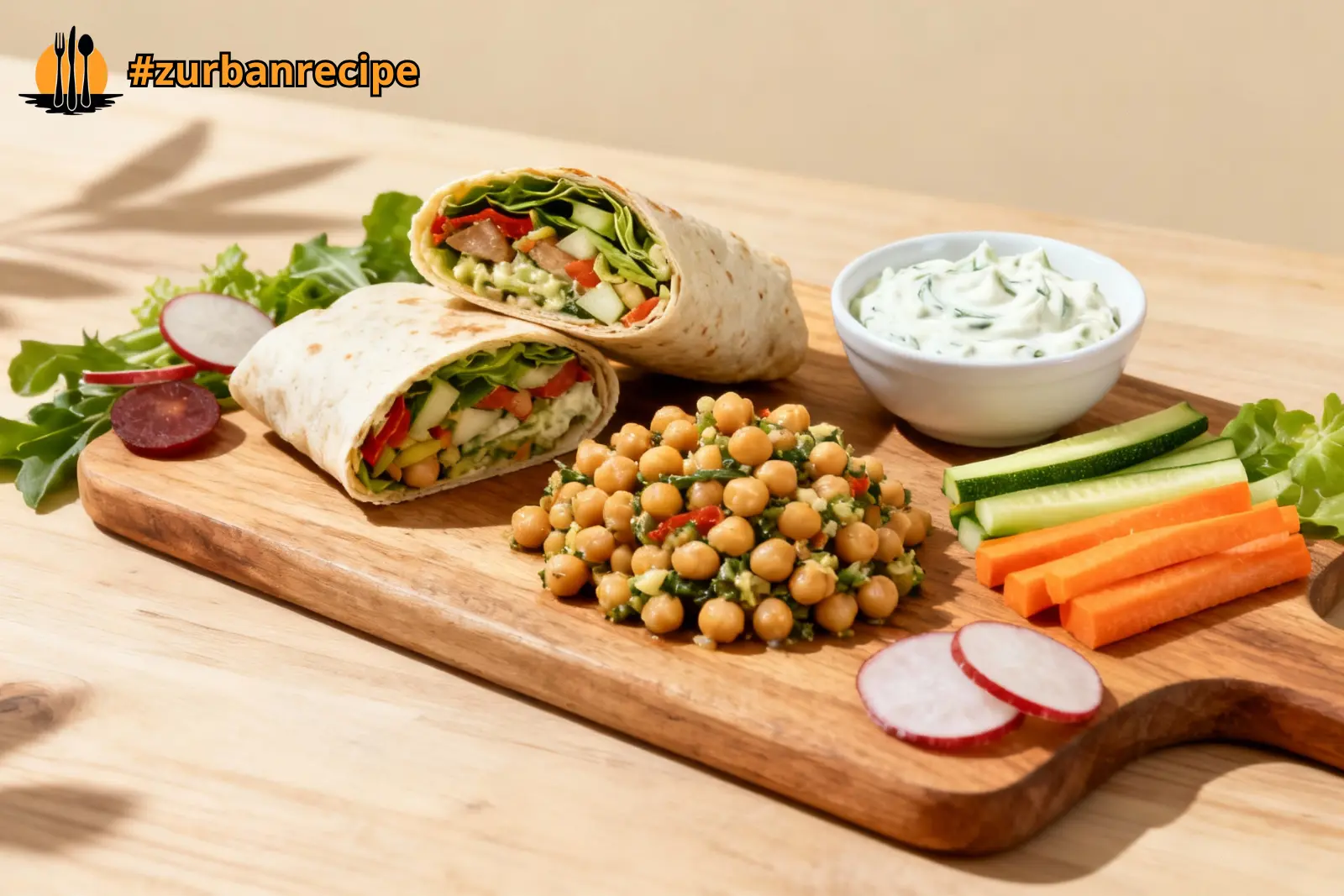
No-cook quick meals are designed for busy days when you need something fast, filling, and practical without turning on the stove.
When I don’t feel like cooking, I don’t force it. Some days the kitchen is too hot, time is tight, or energy is simply gone. That’s when no-cook quick meals become the smartest option. These meals let you eat well without turning on the stove or waiting on heat.
For me, no-cook meals are not shortcuts or snack plates. They are built with intention. A solid base, a ready protein, a simple sauce, and one strong contrast can come together in minutes and still feel like a real meal. Flavor and balance do not depend on heat when the ingredients are chosen correctly.
In this guide, I’ll walk you through how no-cook meals actually work, which ingredients hold up best without cooking, and how to choose the right option when you need something fast, filling, and practical.
-Chef
Table of Contents
What No-Cook Really Means
No Heat, No Stove, No Exceptions
No-cook quick meals are built on one strict rule: there is no heat involved at any stage. No stove, no oven, no microwave, and no warming steps hidden in the process. Everything is prepared cold, using ingredients that are already safe and ready to eat. This clear boundary matters because many meals are labeled no-cook while still relying on cooking somewhere along the way.
Assembly Instead of Cooking
Instead of using heat to create flavor, these meals rely on smart assembly. Ingredients are chosen for how they work together without being cooked. Texture, balance, and contrast replace traditional cooking techniques, allowing the meal to feel complete and intentional in just a few minutes.
What Counts as No-Cook and What Does Not
Cold preparation is allowed and expected. Chopping, slicing, draining, rinsing, mixing, mashing, and blending all belong in this approach. Refrigeration and chilling are also acceptable. What breaks the rule is any use of heat, even briefly. Toasting, boiling, reheating, or warming moves the dish outside the definition of no-cook quick meals and into a different category.
When No-Cook Meals Make the Most Sense
Hot Days and Low Energy
On hot days, cooking can feel overwhelming. Heat drains energy and makes the kitchen uncomfortable. In these moments, no-cook quick meals offer a practical way to eat well without adding more fatigue or discomfort to the day.
Busy Schedules and Time Pressure
When time is limited, waiting on cooking steps becomes a real barrier. Meals that require no heat remove delays and simplify decisions. This is where no-cook quick meals fit naturally into busy routines, short breaks, and rushed evenings.
Limited Kitchen or No Stove
Some situations simply do not allow cooking. Shared kitchens, small apartments, offices, or temporary living spaces often come with restrictions. In those cases, assembling a meal without a stove is not a compromise, it is the most realistic solution.
Immediate Hunger Situations
There are moments when hunger hits hard and patience is gone. Meals that require no cooking work best here because they are fast, direct, and reliable. You eat quickly without skipping balance or relying on takeout.
Cold Assembly Logic, How No-Cook Meals Work
The Base
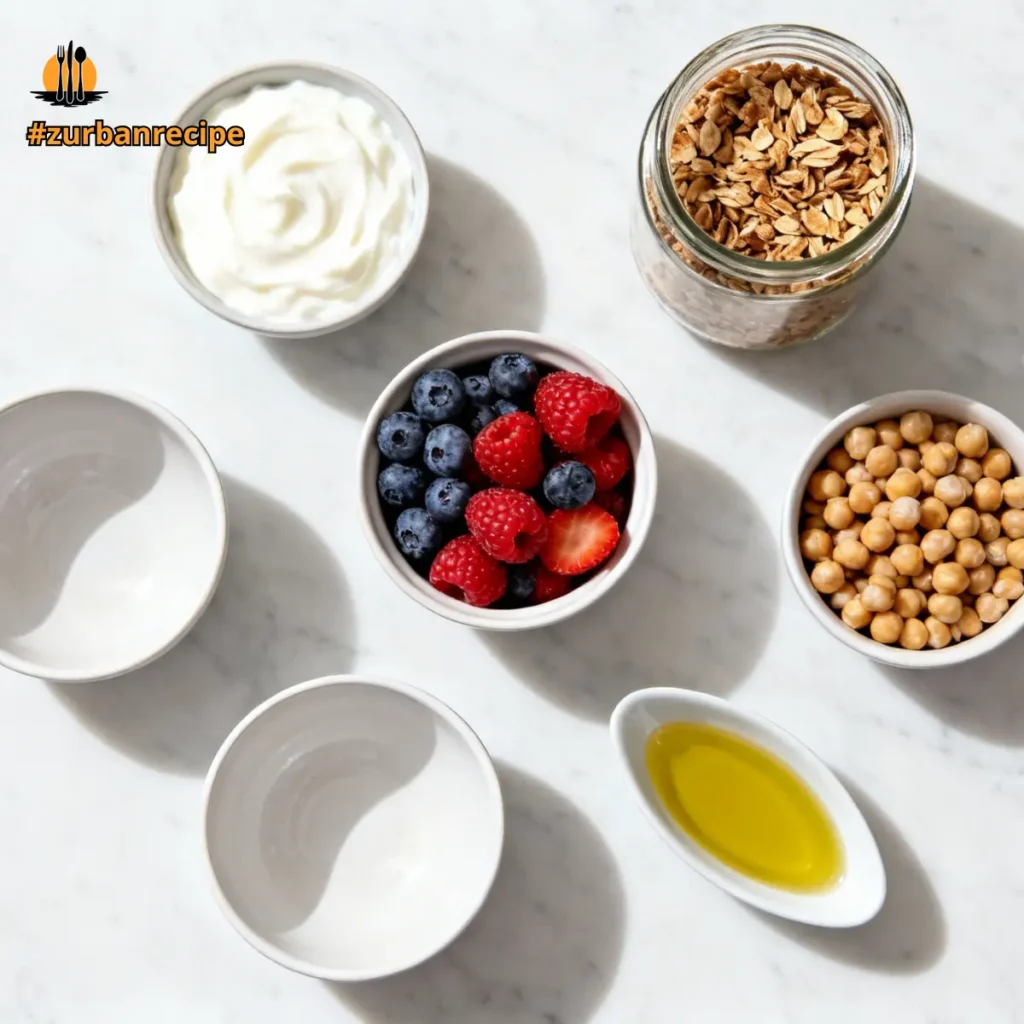
Every no-cook meal starts with a base. This element gives structure and volume, helping the meal feel complete instead of scattered. A good base holds other ingredients together and creates a foundation that makes no-cook quick meals feel intentional rather than improvised.
Ready-to-Eat Proteins
Protein is what turns simple assembly into a real meal. Ready-to-eat proteins add substance without requiring heat and help maintain balance. Choosing proteins that already taste good cold is essential for making no-cook quick meals satisfying and reliable.
Binders and Sauces
Binders and sauces connect ingredients and prevent meals from feeling dry or disconnected. Oils, creamy elements, or light dressings bring cohesion and flavor, allowing cold ingredients to work together as one unified dish.
Texture and Contrast
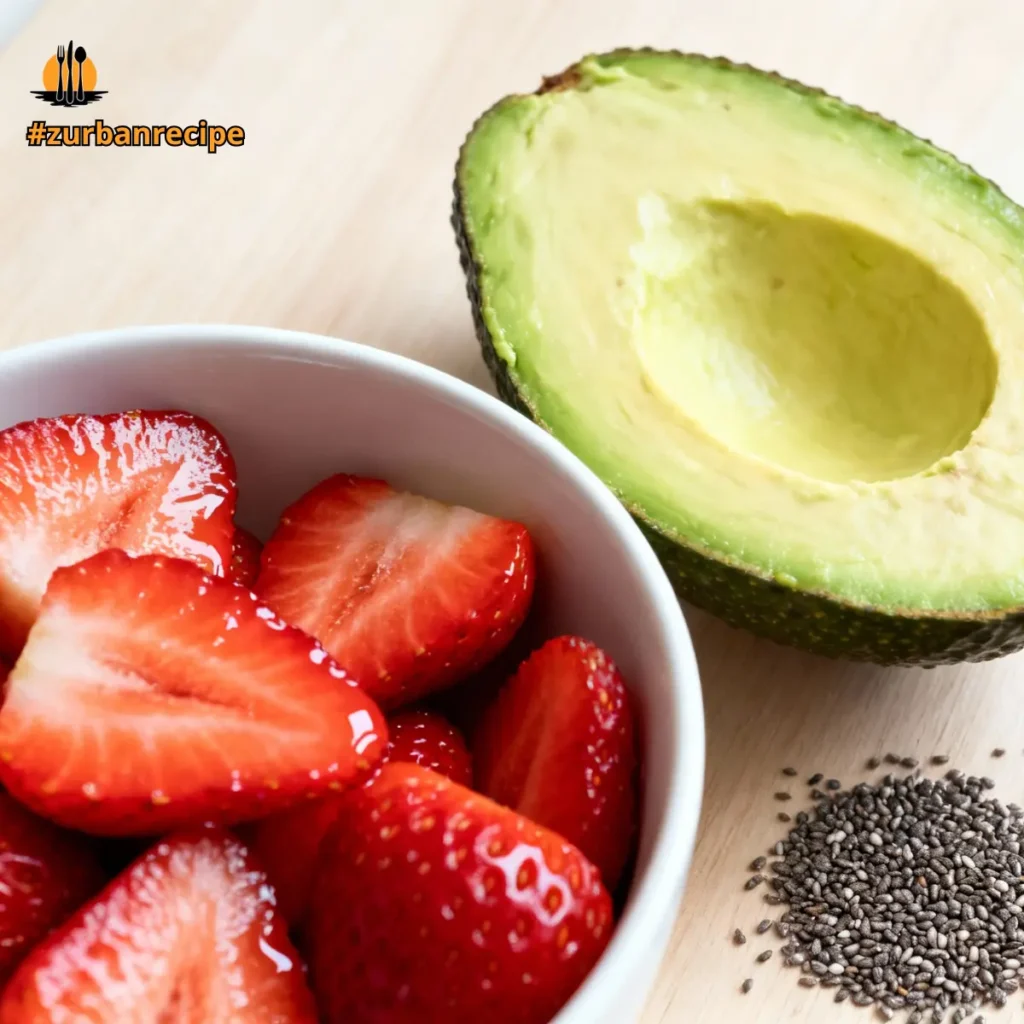
Texture is what keeps a no-cook meal interesting. Soft and crisp elements, fresh and rich components, or mild and sharp flavors create contrast. Ingredients like avocado, appreciated for its health benefits, bring creaminess and depth that make cold meals feel more complete.
Ingredients That Work Without Heat
Proteins That Need No Cooking
The best no-cook meals rely on proteins that are ready to eat as they are. These ingredients bring substance and satiety without requiring preparation. Choosing proteins that hold flavor and texture cold is key to building no-cook quick meals that feel complete and balanced.
Cold Bases and Carriers
Bases and carriers give shape to the meal and make ingredients easier to combine. They support toppings, sauces, and proteins while keeping everything cohesive. A strong base is what turns simple ingredients into no-cook quick meals instead of scattered components, with options like yogurt, known for its many health benefits, providing both texture and balance.
Sauces, Oils, and Acid
Sauces and liquids play a central role in cold meals. Oils add richness, acids bring brightness, and creamy elements soften sharp edges. Together, they replace cooking by creating depth and connection between ingredients.
Crunchy and Fresh Add-Ins
Crunch and freshness add contrast and energy. Crisp elements prevent meals from feeling flat, while fresh additions keep flavors lively. This final layer is essential for balance when heat is not part of the process.
Flavor and Texture Without Cooking
Balancing Salt, Fat, and Acid
Flavor without heat comes from balance. Salt sharpens, fat adds richness, and acid brings brightness. When these elements are aligned, ingredients taste complete even without cooking. This balance is what allows no-cook quick meals to feel satisfying instead of flat.
Avoiding Bland No-Cook Meals
Blandness is usually a result of missing contrast, not the absence of heat. Layering flavor through seasoning, acidity, and quality ingredients prevents meals from feeling dull. Attention to taste is what separates thoughtful assembly from rushed combinations in no-cook quick meals.
Using Texture to Create Satisfaction
Texture replaces many of the effects of cooking. Soft components paired with crisp or fresh elements create interest and fullness. Contrast keeps each bite engaging and helps the meal feel complete, even without warmth.
How to Choose the Right No-Cook Option Tonight
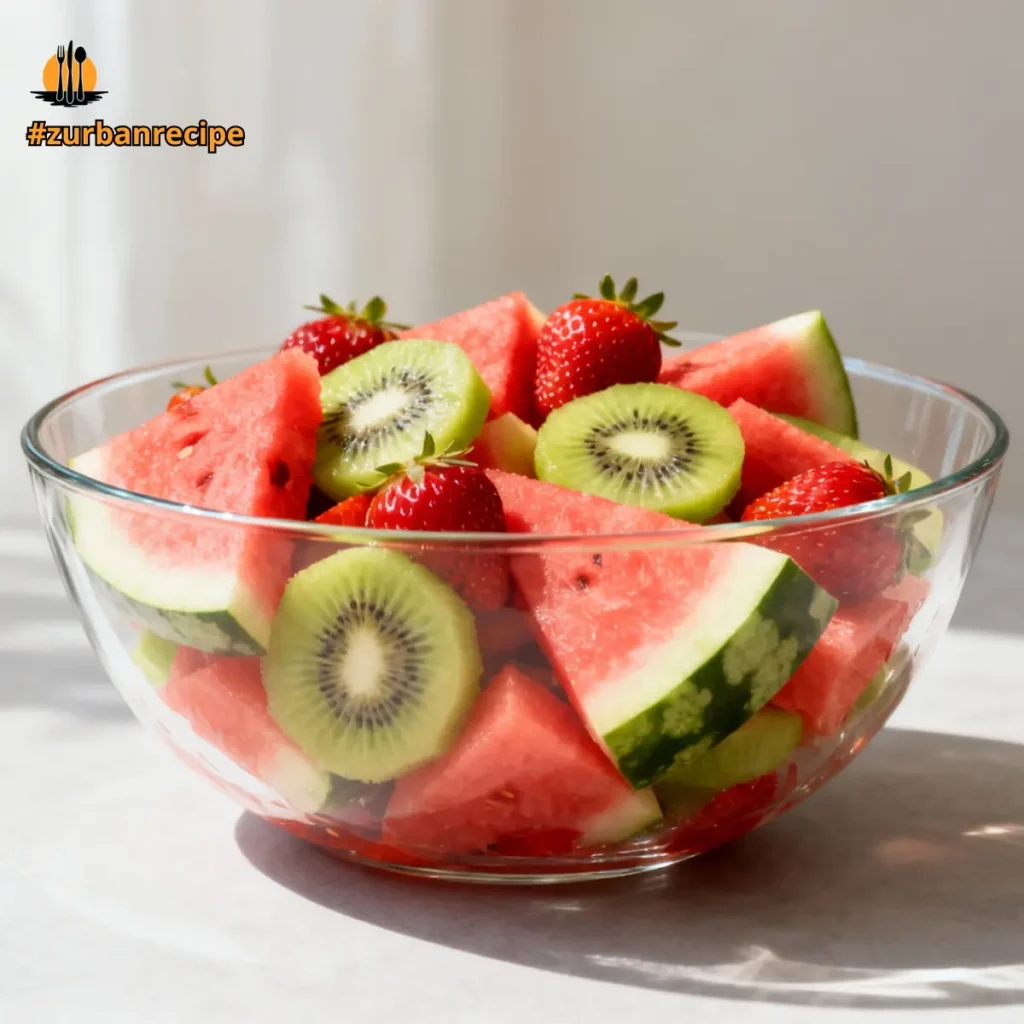
Light and Refreshing Meals
When you want something easy and cooling, light meals make the most sense. These options focus on freshness, simple assembly, and clean flavors. They work well when appetite is moderate and when no-cook quick meals are meant to feel effortless rather than heavy.
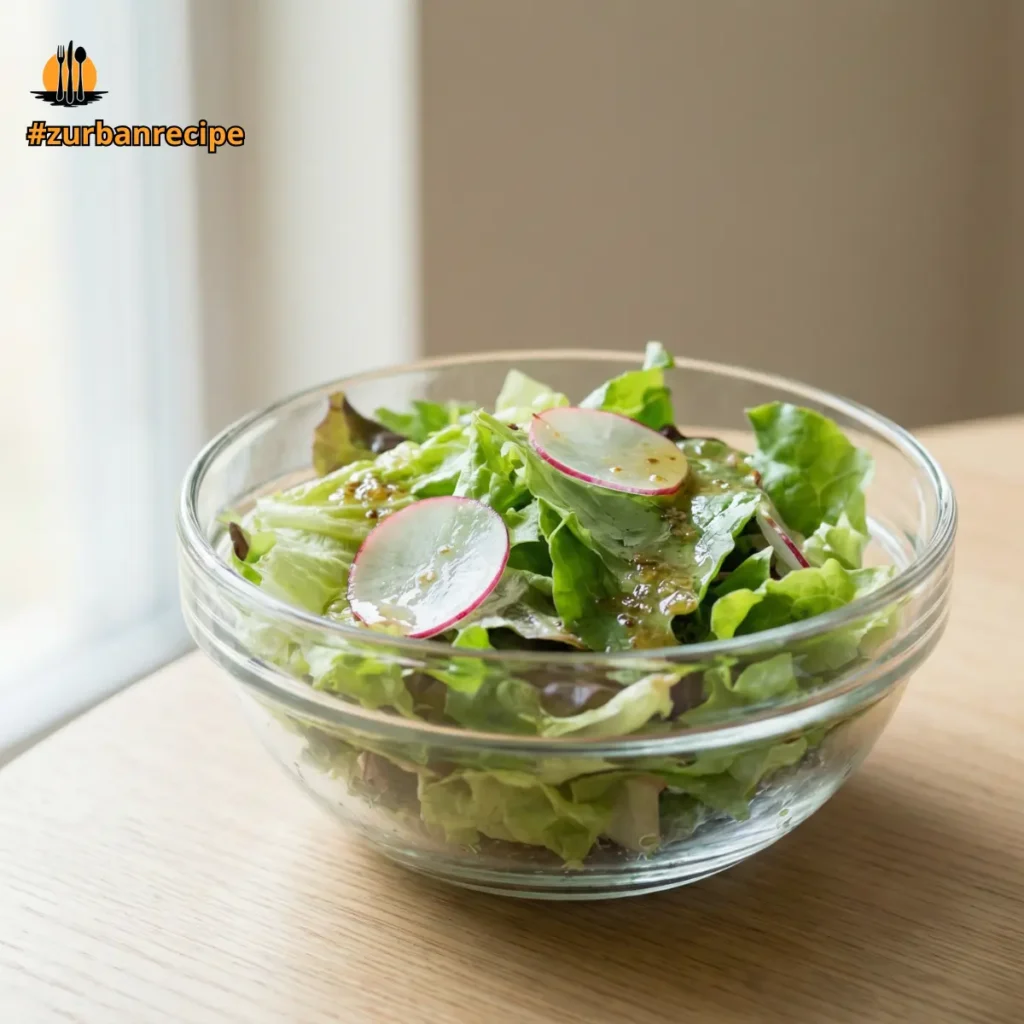
Filling and Protein-Focused Meals
Some situations call for something more substantial. Meals built around protein and structure help control hunger and maintain energy. Choosing these options ensures no-cook quick meals still feel complete and satisfying, even without cooking.
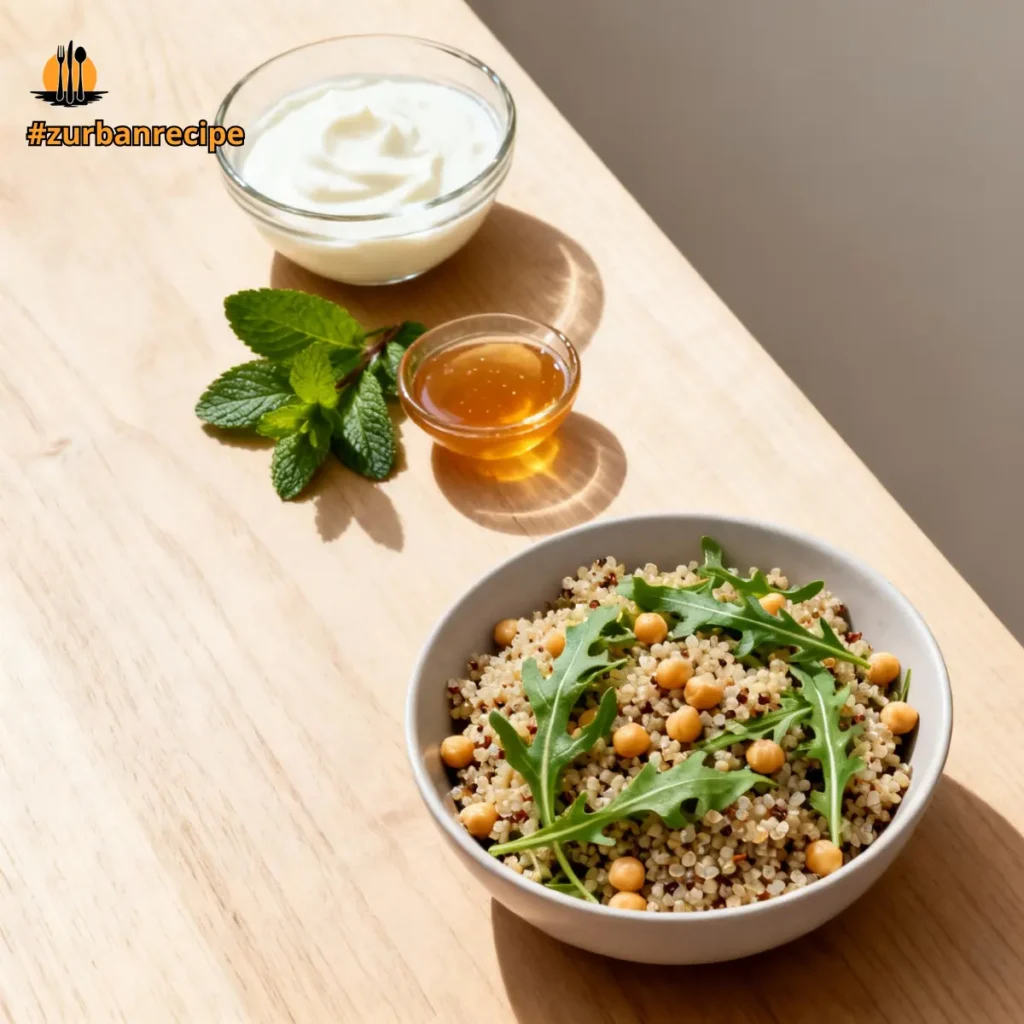
Sweet vs Savory No-Cook Choices
Choosing between sweet and savory depends on timing and mood. Savory meals tend to feel more grounding, while sweet options work well earlier in the day or as lighter alternatives. Both fit naturally into a no-cook approach when built with balance, especially when exploring high-protein desserts that satisfy without cooking.
No-Cook Quick Meal Ideas To Make Right Now
These no-cook meal ideas are organized by simple food types so you can quickly find what fits your mood, hunger level, and ingredients on hand. This structure helps you choose no-cook quick meal ideas without overthinking, making it easier to assemble something fast using what you already have.
No-Cook Tuna Wrap
This cluster focuses on fast, protein-forward wraps built around ready-to-eat tuna. These meals are designed for speed and balance, using cold assembly to create filling options that work well for lunch or quick dinners without cooking.
No-Cook Chickpea Salad
This cluster covers hearty salads based on chickpeas as the main protein source. The emphasis is on simple assembly, texture balance, and flavor layering, making these meals practical, filling, and easy to adapt.
No-Cook Yogurt Bowl
This cluster groups yogurt-based meals that can be sweet or savory. These bowls are built for speed and flexibility, using yogurt as a base to create balanced no-cook meals suitable for breakfast, snacks, or light meals.
No-Cook Bean Salad
This cluster focuses on cold bean-based meals that rely on simple mixing rather than cooking. These options are designed to be filling, affordable, and easy to prepare ahead without losing texture or flavor.
No-Cook Avocado Toast
This cluster centers on toast-style meals built around avocado and cold toppings. The focus is on balance and assembly, creating satisfying meals without heat beyond the base being ready to use.
No-Cook Veggie Sandwich
This cluster highlights plant-forward sandwiches assembled entirely cold. These meals focus on freshness, crunch, and contrast, offering quick no-cook options that still feel complete and structured.
No-Cook Pasta Salad
This cluster includes cold pasta-based meals assembled without reheating. The focus is on sauces, add-ins, and balance, making these dishes suitable for quick meals that hold up well over time.
No-Cook Rice Bowl
This cluster groups meals built on ready-to-use rice bases. These bowls focus on structure and protein pairing, offering filling no-cook options that feel substantial without active cooking.
No-Cook Hummus Wrap
This cluster focuses on wraps where hummus acts as both protein and binder. These meals are built for simplicity and flavor, using cold ingredients to create smooth, satisfying combinations.
No-Cook Fruit Yogurt Bowl
This cluster highlights fruit-forward yogurt meals designed for freshness and lightness. These options work well when speed and ease matter, offering no-cook meals that feel refreshing and balanced.
Common No-Cook Mistakes to Avoid
Meals That Feel Too Light
A common problem is stopping too early. Skipping protein or structure often turns a meal into a snack that does not last. To avoid this, no-cook quick meals should always include at least one element that brings real fullness.
Poor Ingredient Balance
Convenience can lead to bland results when balance is ignored. Meals built without contrast in flavor or texture often feel flat. Strong no-cook quick meals rely on a mix of richness, freshness, and structure to stay satisfying.
Overcomplicating Simple Meals
Trying to do too much defeats the purpose. Too many elements or steps can turn a simple meal into a messy process. The best approach is to keep it simple and repeatable.
Common Questions About No-Cook Quick Meals
These are some of the most common questions people ask about no-cook quick meals.
What are the best no-cook quick meals when you don’t want to cook?
The best options are meals built from ready-to-eat ingredients that already taste good cold. Simple combinations with a clear base, a protein, and a binding element work best. No-cook quick meals succeed when they feel intentional, not rushed.
What ingredients work best for no-cook quick meals?
Ingredients that hold flavor and texture without heat work best. Ready proteins, sturdy bases, flavorful sauces, and fresh or crunchy elements all perform well when assembled cold.
Are no-cook meals good for busy weeknights or hot days?
They are ideal for both. When time is short or heat makes cooking uncomfortable, meals that require no preparation time beyond assembly fit naturally into daily routines.
How do I avoid bland or boring no-cook meals?
Focus on contrast. Combine creamy with crisp, mild with acidic, and soft with fresh elements. Bland results usually come from missing one of these layers, not from the lack of cooking.
Can no-cook meals still be filling and balanced?
Focus on contrast. Combine creamy with crisp, mild with acidic, and soft with fresh elements. Bland results usually come from missing one of these layers, not from the lack of cooking.
Final Thoughts and Where to Go Next
A Word From Chef
No-cook quick meals are not about cutting corners. They are about understanding ingredients and using them with intention. When you know how to build a meal without heat, you gain flexibility and confidence in the kitchen. This approach is meant to make eating easier on real days, not to replace cooking, but to support it when cooking is not the right option.
Explore the Complete Quick Meals Guide
If you are looking for more fast and practical ideas beyond no-cook options, the main Quick Meals guide brings everything together. It covers a wider range of strategies for eating well when time is limited, helping you choose the right approach for any situation.