
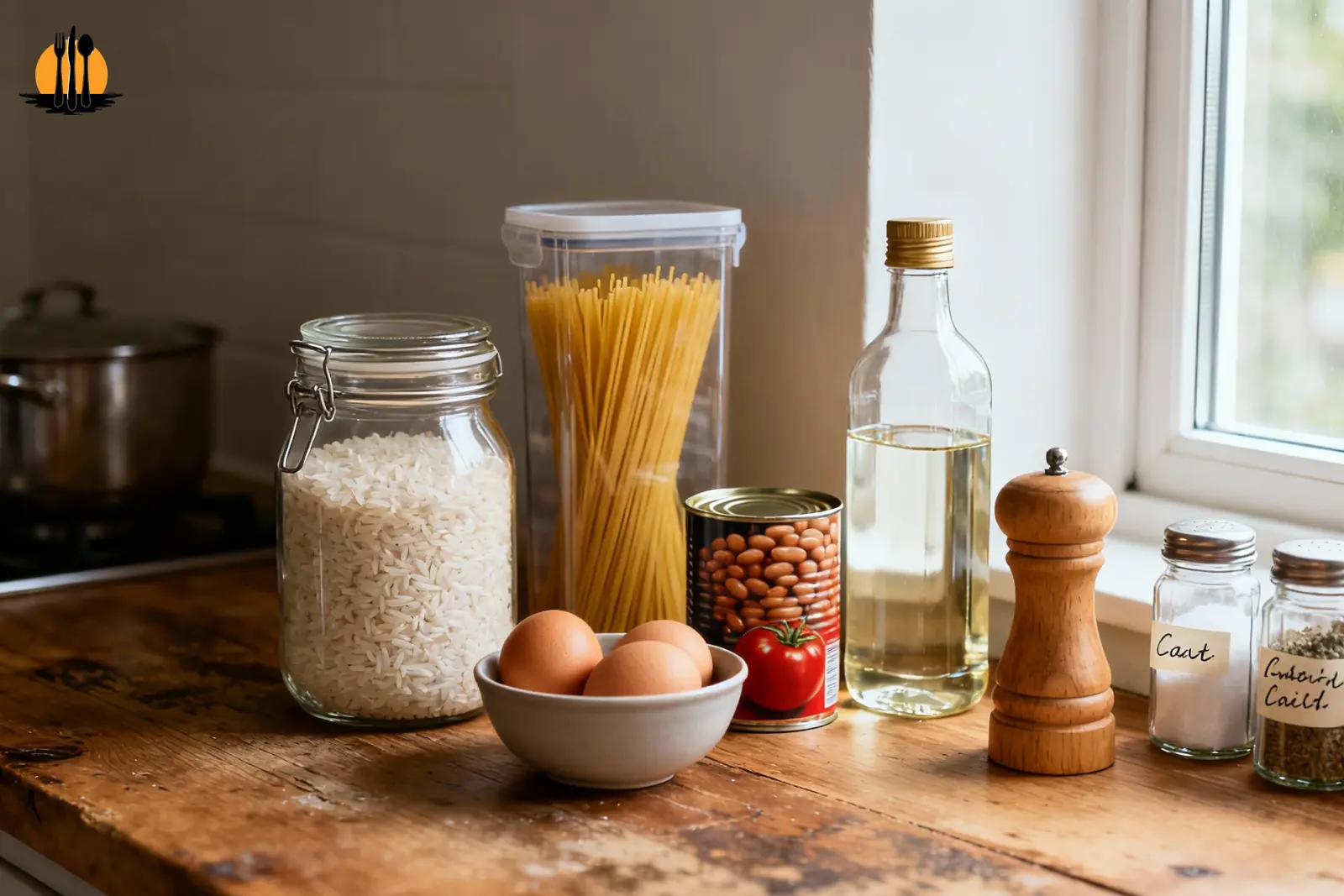
When I talk about pantry-only quick meals, I am talking about real cooking with real constraints. There are nights when the fridge looks empty, the pantry feels uninspiring, and going to the store is simply not an option. In those moments, the ability to cook with what you already have becomes more than a skill, it becomes a relief.
Over the years, I have learned that limited ingredients are not a problem, they are a starting point. Pantry-only quick meals are about working with what is available, reducing decision fatigue, and turning familiar staples into something filling and satisfying. No planning, no pressure, just smart choices made in the moment.
— Chef
Table of Contents
What Counts as Pantry-Only
Before cooking, it helps to clearly understand what pantry-only actually means. The goal is not strict rules, but practical clarity. Pantry-only meals are built entirely from ingredients that are already in your home, without adding anything new.
Pantry staples you can rely on
These meals start with long-lasting ingredients most kitchens already have. Dry grains, pasta, canned beans, canned fish, oils, sauces, spices, and basic seasonings form the backbone of pantry-only quick meals. They provide structure, flavor, and enough substance to create a proper plate, even when options seem limited.
Using the fridge without shopping
Pantry-only does not mean ignoring the fridge. It means using what is already there without planning a grocery run. Eggs, cheese, cooked proteins, vegetables that need to be used, or open containers all count, as long as nothing new is added. The focus stays on availability, not perfection.
When leftovers still count as pantry-only
Leftovers are a resource, not a shortcut. Cooked rice, roasted vegetables, proteins from a previous meal, or small portions of sauce can all become the base of something new. Pantry-only quick meals often rely on reshaping leftovers into a different form, creating variety without repeating the same dish.
How to Scan Your Kitchen in 60 Seconds
When ingredients feel limited, the problem is often not the food, but how we look at it. A fast kitchen scan helps you stop guessing and start deciding. In less than a minute, you can see exactly what you have and what kind of meal it can become.
Start With What Is Already Opened
Begin with anything that is already in use. Open packages, leftover containers, half-used jars, cooked grains, or proteins from a previous meal. These items should always be your first priority because they are closest to becoming a finished dish and easiest to build around.
Group Ingredients by Function, Not by Category
Instead of thinking in terms of recipes, think in terms of roles. Look for a base that adds volume, a protein that adds substance, and something that brings flavor. When ingredients are grouped by what they do rather than what they are, pantry-only quick meals become much easier to spot.
Spot the Fastest Meal Options First
Not every ingredient leads to a quick result. Focus on what can realistically become a meal within minutes. Cooked leftovers, canned items, eggs, pasta, rice, or anything that needs minimal preparation should stand out immediately. Simple dishes like this one-pan chicken skillet show how fast and satisfying a meal can be when you lean on what’s already cooked and avoid unnecessary complexity.
Pantry Pairings That Always Work
When you cook with limited ingredients, pairing matters more than recipes. The right combinations can turn basic pantry items into pantry-only quick meals that feel intentional, balanced, and satisfying. These pairings work because they rely on structure, not complexity.
Base and Protein Pairings
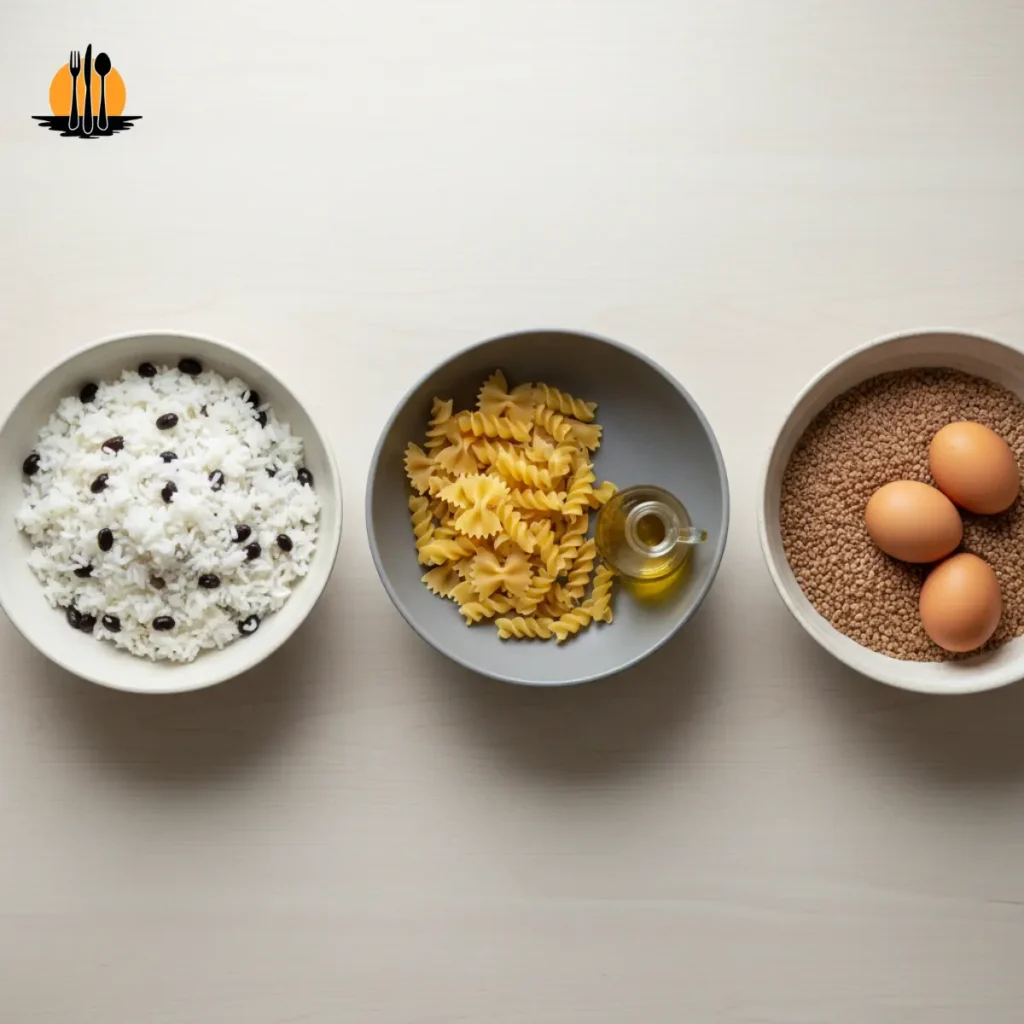
A strong base gives volume, while a protein adds staying power. Pasta with canned beans, rice with eggs, canned fish with grains, or lentils with leftover meat are all simple combinations that hold together well. When you start with one base and one protein, pantry-only quick meals become easier to build and faster to finish.
Simple Binders That Bring Everything Together
Binders turn separate ingredients into a cohesive dish. Eggs, basic sauces, broth, cheese, or even a splash of cooking liquid can help ingredients connect instead of sitting next to each other. A binder is often what makes pantry-only quick meals feel like a real plate instead of leftovers thrown together.
Flavor Boosters That Change Everything
Flavor does not require fresh ingredients. Spices, condiments, oils, vinegars, and pantry sauces can completely shift the personality of a dish. A different seasoning blend or sauce can make the same base and protein feel new, keeping pantry-only quick meals interesting without adding new groceries.
Turning Leftovers Into Complete Pantry-Only Quick Meals
Leftovers are often misunderstood. Instead of seeing them as yesterday’s food, think of them as ready-made components. When used correctly, leftovers make pantry-only quick meals faster, more filling, and far more flexible than starting from scratch.
Reinvent What Is Already Cooked
Cooked rice, pasta, roasted vegetables, or proteins already have flavor and structure. Changing how they are used, not what they are, is the key. A leftover bowl of rice, for example, can easily become the base for something like fried rice, especially when paired with pantry staples like canned SPAM, as shown in this Spam Fried Rice recipe. The goal isn’t to reinvent each ingredient, but to give it a new role on the plate.
Stretch Small Amounts Into Full Meals
A small portion does not have to stay small. Leftovers gain volume when paired with pantry bases like grains, beans, or simple sauces. Ideas like those in these fried rice recipes show how even a few spoonfuls of cooked rice can become the heart of a new meal. This approach helps turn partial ingredients into complete plates without needing fresh additions or extra prep.
Avoid Eating the Same Meal Twice
Repetition is what makes leftovers feel boring. Changing texture, temperature, or format keeps meals interesting. A leftover protein can be reheated differently, mixed into a new base, or combined with a different seasoning profile to feel like a new dish rather than a repeat. Turning them into something unexpected, like tacos, can make all the difference, and these taco recipes offer plenty of ideas to keep things fresh without starting from scratch.
When Pantry-Only Quick Meals Beat Takeout
Ordering takeout often feels like the easiest option, but it usually takes longer than expected. Waiting, delivery fees, and uncertainty add friction. In many situations, pantry-only quick meals win simply because they turn what is already available into something warm, immediate, and under your control.
Faster Than Waiting on Delivery
From decision to plate, pantry cooking can be quicker than opening an app and waiting. When ingredients are already in your kitchen, there is no delay, no tracking screen, and no second guessing. The meal starts as soon as the decision is made.
More Satisfying Than It Sounds
Cooking with what you have creates a sense of completion. Even simple meals feel more rewarding when they come together intentionally. Heat, texture, and balance often matter more than novelty, especially at the end of a long day.
A Smarter Default Choice
Choosing pantry-based cooking as a default reduces stress and impulse spending. Instead of ordering out by habit, you build confidence in your ability to make something work. Over time, this mindset makes pantry-only quick meals feel less like a fallback and more like a smart, reliable option.
Pantry-Only Quick Meal Recipes
This section brings together practical recipes designed to work within real-life constraints. Each idea focuses on building pantry-only quick meals using ingredients you already have on hand, without planning or shopping. These recipes are not about perfection, but about turning available basics into something reliable, filling, and easy to repeat.
From simple combinations to more structured plates, each recipe below follows the same logic: use what is there, keep decisions simple, and make dinner possible even when options feel limited.
Pantry-Only Tomato Pasta Dinner
This recipe focuses on canned tomatoes and dry pasta to create a warm, reliable dinner with minimal effort. It shows how a simple pantry sauce can turn pasta into a complete meal without adding fresh ingredients or extra steps.
Pantry-Only Rice and Egg Bowl
Built around rice and eggs, this meal highlights one of the most flexible pantry combinations. It is quick to cook, filling, and easy to adapt depending on seasoning or sauces you already have on hand.
Pantry-Only Tuna Rice Dinner
This dinner uses canned tuna as a practical protein paired with rice for structure. It is designed for nights when options feel limited but a balanced, satisfying meal is still possible using basic pantry items.
Pantry-Only Lentil Soup
A simple soup made from dried lentils and pantry seasonings, focused on comfort and nourishment. This recipe shows how lentils alone can create a hearty meal without relying on fresh vegetables or long preparation.
Pantry-Only Chickpea Skillet
This skillet meal uses canned chickpeas as the main ingredient, cooked simply with pantry spices and basic fats. It demonstrates how chickpeas can move beyond salads and become the center of a hot, filling dinner.
Pantry-Only Pasta with Garlic and Oil
A minimal pasta dish built on garlic, oil, and dry pasta. This recipe focuses on technique rather than ingredients, proving that pantry-only meals can still feel intentional and well balanced.
Pantry-Only Bean and Rice Skillet
This skillet combines beans and rice into a single, cohesive dish. It is designed to be cooked quickly and seasoned simply, making it a dependable option when both ingredients are already available.
Pantry-Only Tomato and Bean Stew
Using canned beans and tomatoes, this stew creates depth and warmth without complexity. It is ideal when you want something comforting that feels slow-cooked but comes together with pantry staples.
Pantry-Only Egg and Toast Dinner
This meal turns eggs and bread into a complete dinner rather than a fallback. It focuses on simple cooking and smart seasoning to make basic ingredients feel satisfying and intentional.
Pantry-Only Simple Rice Skillet
A flexible rice-based skillet that adapts to whatever pantry items are available. This recipe acts as a template, showing how rice can absorb flavor and become the base of many different quick meals.
Chef’s Note on Pantry-Only Cooking
These pantry-only quick meals are not meant to follow strict rules or fixed recipes. Think of them as starting points. Once you understand how each dish is built, you can swap ingredients, adjust portions, and adapt flavors based on what you have. The goal is not to cook perfectly, but to cook confidently, even when options feel limited.
Over time, this way of cooking becomes instinctive. You stop asking what you are missing and start working with what is already there. That mindset is what makes pantry-only meals reliable, repeatable, and surprisingly satisfying.
Chef’s Pantry Planning Advice
Cooking with what you already have becomes much easier when your kitchen is stocked with intention. Pantry-only meals are not about luck, they are about preparation. A few smart habits can make sure you are rarely stuck with nothing to cook.
How to Stock Your Pantry for Real-Life Cooking
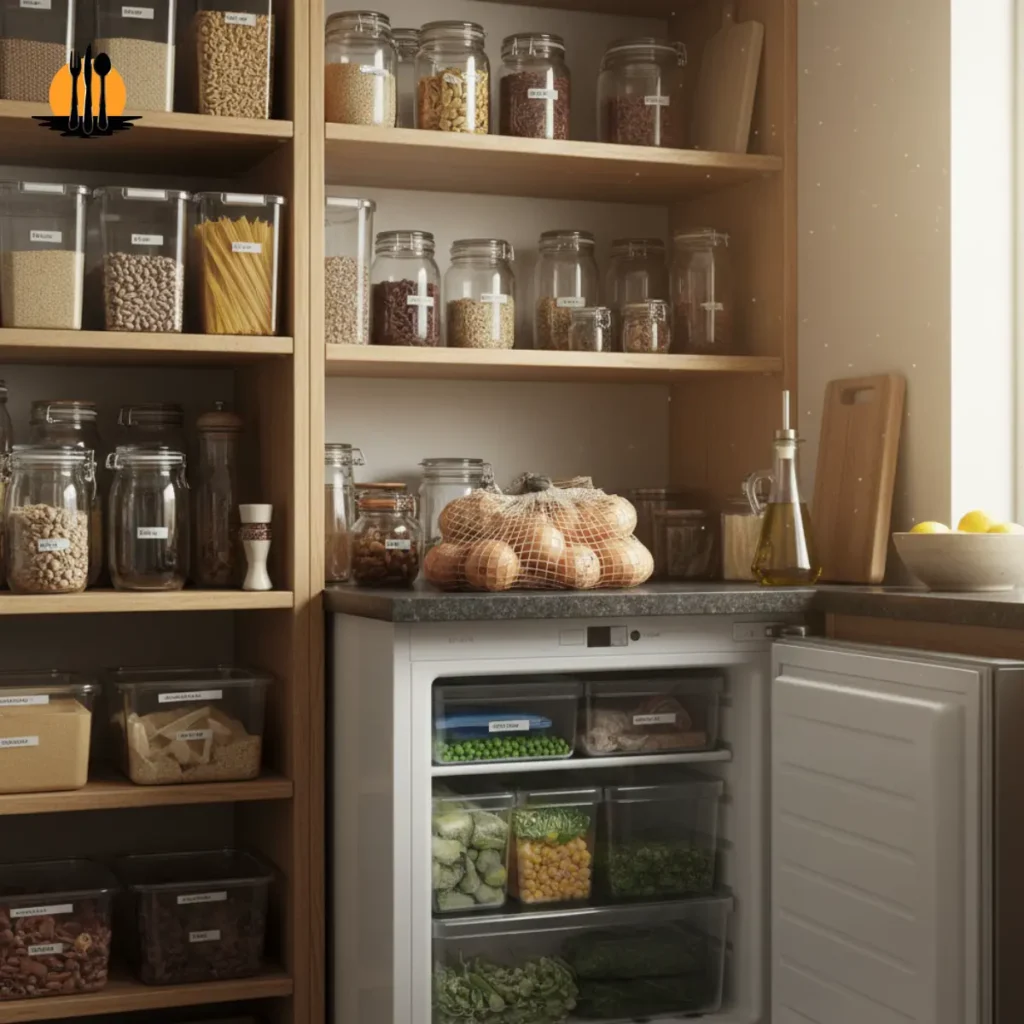
A well-stocked pantry does not need to be expensive or complicated. Focus on versatile staples you actually use, such as grains, canned beans, canned tomatoes, oils, spices, and simple sauces. Buying these items gradually, based on your budget, builds a foundation that supports quick meals without pressure. The goal is not variety for its own sake, but reliability.
Using the Fridge and Freezer as Backup, Not a Plan
Your fridge and freezer should support your pantry, not replace it. Keeping eggs, cheese, frozen vegetables, cooked grains, or portions of cooked protein on hand adds flexibility when the pantry alone feels limited. Freezing leftovers or extra portions helps ensure you always have something available, even on weeks when shopping is not possible.
Common Questions About Pantry-Only Quick Meals
What Can I Cook With Pantry-Only Ingredients
You can build simple meals by combining what you already have into a clear structure. A base like rice, pasta, or beans paired with eggs, canned fish, or leftovers is often enough. Adding seasoning or a basic sauce helps turn pantry-only ingredients into something cohesive rather than improvised.
Do Pantry-Only Meals Have to Be Boring
Not at all. Boredom usually comes from repetition, not from limited ingredients. Changing how ingredients are combined, seasoned, or served makes a big difference. Even the same staples can feel new when the flavor profile or texture changes.
Can Pantry-Only Meals Feel Filling
Yes, when they are built correctly. Meals that include a solid base, a source of protein, and some form of fat or binder tend to be more satisfying. Pantry-only quick meals work best when they focus on balance rather than trying to copy restaurant dishes.
How Do I Avoid Ordering Takeout When There Are No Groceries
The key is deciding before frustration sets in. A quick kitchen scan and a simple pairing mindset make it easier to see options instead of obstacles. Once you realize you can create a warm, complete meal from what you already have, ordering takeout stops feeling like the only solution.
Bringing It All Together
Chef’s Final Take
Pantry cooking is not about limits, it is about confidence. When you understand how to work with what is already in your kitchen, dinner stops being a source of stress. Over time, this approach builds instinct, flexibility, and trust in your own judgment. Pantry-only meals are not a fallback, they are a skill you can rely on anytime.
Explore the Complete Quick Meals Guide
If you want to see how pantry-only cooking fits into a bigger picture, the main Quick Meals guide brings all approaches together. It connects no-cook options, busy-night solutions, and pantry-based strategies into one clear system. This broader view helps you choose the right type of quick meal for any situation, not just when ingredients are limited.