
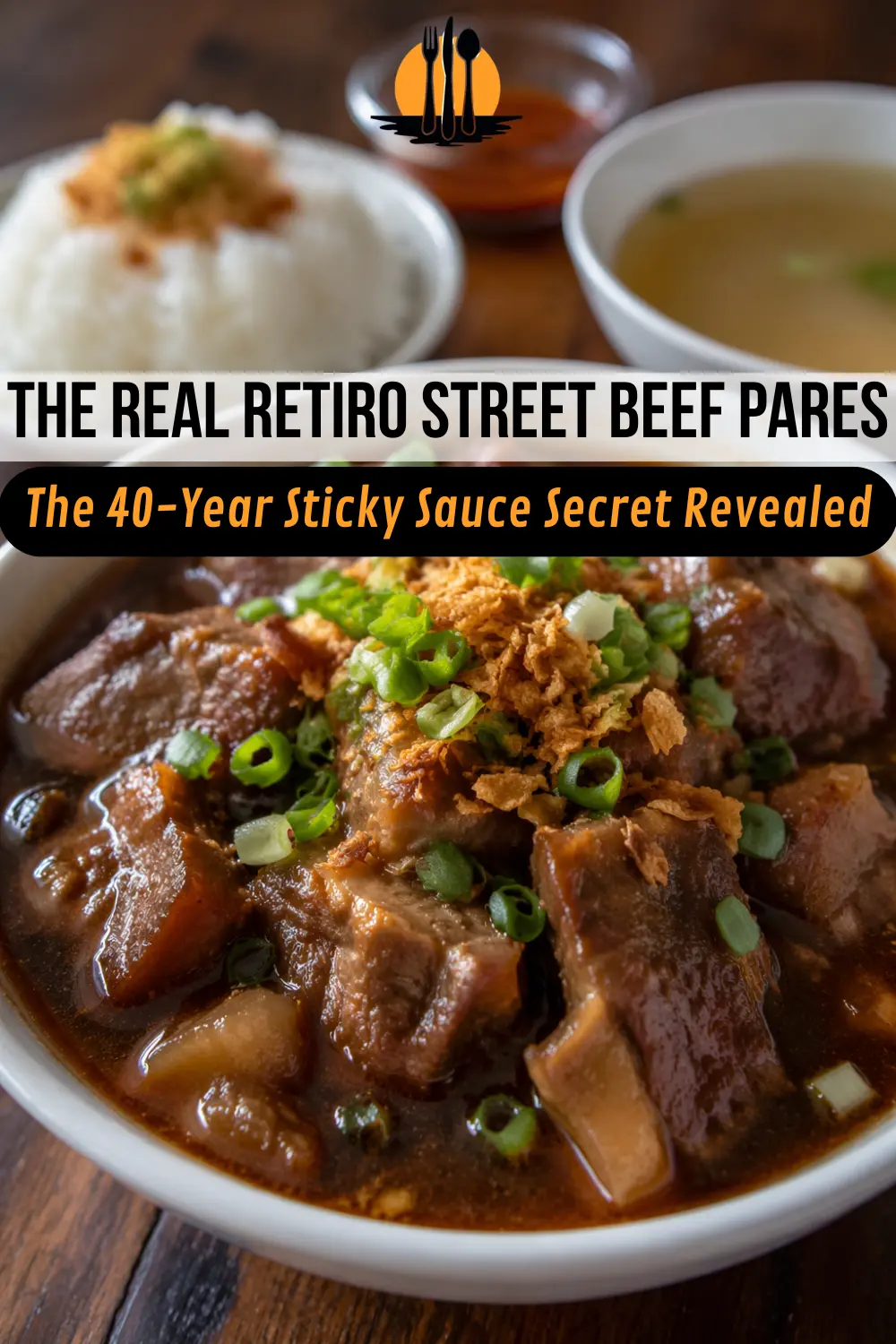
This authentic beef pares recipe is about patience and love, transforming simple brisket into a sticky, melt-in-your-mouth masterpiece that fills your kitchen with the sweet aroma of star anise.
We have already traveled the culinary world exploring flavors in our guide to 10 Iconic Beef Stew Styles: The Global Map. Now, it is time to focus on a dish that defines comfort food in the streets of Manila.
You might find countless versions of this dish online, but I promise you something different here. Recipes may look alike, but they are never quite the same as when shared directly from a professional kitchen.
📝 Recipe Snapshot
- Prep Time: 20 min
- Cook Time: 2 hrs 30 min (Stovetop) / 45 min (Instant Pot)
- Resting Time: 15 min
- Total Time: ~ 3 hrs
- Yield: 6 Hearty Servings
📊 Nutrition Check (Per Serving – Meat & Sauce):
Around 14g of Carbs and 9g of Sugar (due to the glaze), Loaded with 32g of Protein to keep you satisfied.
Table of Contents
Why We Love This Authentic Filipino Beef Pares
When we talk about Filipino Beef Pares, we are celebrating a dish that balances sweet and savory notes perfectly. It has captured the hearts of food lovers because it offers a deeply satisfying experience that feels both exotic and like home.
Understanding the “Pair” Concept
The name literally translates to “pair” because you cannot have the meat without its traditional partner. In my kitchen, serving this braised beef without a heaping mound of garlic fried rice is considered a culinary crime. This combination represents the absolute pinnacle of comfort food.
The Retiro Street Legacy
Legends say the original recipe was perfected in the roadside stalls of Retiro Street in Manila decades ago. I spent years tweaking my own version to capture that authentic street food spirit where simple ingredients create magic. This long process allowed me to preserve the true heritage of the dish while adapting it for the modern urban home.
Texture is King: The Melt-in-Your-Mouth Feel
The true secret lies in how the connective tissues break down into soft gelatin after hours of simmering. Achieving that sticky texture is what makes a bowl of tender brisket memorable and distinct from any other stew you have tasted. It requires low heat and absolute patience to get it right.
Essential Ingredients for Beef Brisket Stew
Before we start cooking, we need to gather high-quality components. While this dish shares similarities with a classic Western stew, you can master the core method in my beef stew masterclass on braising techniques. However, the specific blend of Asian aromatics used here sets this dish apart completely.
The Complete Grocery List
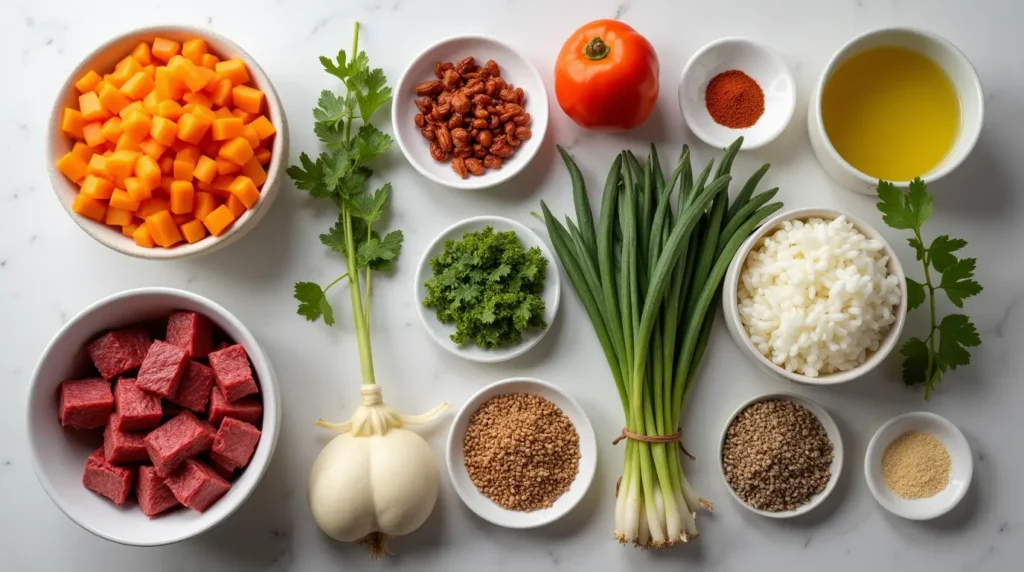
- 2 lbs Beef Brisket or Beef Shank, cut into cubes (0.9kg / 32oz)
- 4 cups Beef Broth or Water (950ml / 32oz)
- 1/4 cup Soy Sauce (60ml / 2oz)
- 1/4 cup Oyster Sauce (60ml / 2oz)
- 1/2 cup Dark Brown Sugar (100g / 3.5oz)
- 3 pieces Star Anise (Whole)
- 1 thumb-sized Ginger, sliced
- 1 whole Garlic head, minced
- 1 medium Onion, chopped
- 2 tbsp Cornstarch (16g / 0.5oz) dissolved in 1/4 cup water (60ml / 2oz)
- Salt and Black Pepper to taste
- Chopped Green Onions and Fried Garlic for garnish
Selecting the Right Cuts of Beef
I always recommend buying a cut with a good layer of fat and tendon attached, like brisket or beef shank. The fat renders down slowly during the braise to keep the meat moist, which is essential for that melt-in-your-mouth experience we cherish. Choosing the right cut ensures your beef pares recipe achieves the perfect structural breakdown during its long simmer.
Grandpa’s Ingredient Secrets
My secret weapon is using whole star anise rather than powder to infuse a subtle sweetness without overpowering the savory broth. Also, using dark brown sugar adds a molasses depth that truly elevates the flavor profile to a professional level. These simple elements create a complex depth that reminds me of the best street food stalls in Manila.
🛠️ Grandpa’s Essential Tools for the Home Chef
Disclosure: As an Amazon Associate, I earn from qualifying purchases at no additional cost to you.
Having the right tools helps achieve a flawless result every time you tackle a long braise.
- Lodge Color Enamel Cast Iron Dutch Oven: This heavy-duty pot provides the massive thermal mass and tight lid seal needed to keep your brisket moist during a long 2.5-hour simmer.
- ThermoPro TP19H Digital Meat Thermometer: My secret weapon to verify your brisket hits exactly 203°F (95°C) where the collagen completely melts, leaving zero guesswork for a melt-in-your-mouth texture.
- OXO Good Grips 8-Inch Chef’s Knife: The professional weight and razor-sharp edge you need to cleanly cube tough beef brisket and effortlessly mince a whole head of garlic.
- OXO Good Grips Stainless Steel Slotted Spoon: Perfect for easily skimming off the brown foam during the first boil and stirring your cornstarch slurry smoothly into the hot broth.
Grandpa’s Guide to Cooking Beef Pares
Now comes the fun part where we transform raw ingredients into a masterpiece. Whether you use a traditional heavy pot or a modern pressure cooker, the goal of this Filipino Beef Pares recipe remains the same: creating tender meat swimming in a rich sauce.
Step-by-Step Cooking Instructions
- Step 1: Sear and Sauté. Heat oil in a heavy pot over medium-high heat. Sear the beef brisket cubes in batches until browned on all sides, then set them aside. In the same pot, sauté the sliced ginger, minced garlic, and chopped onion for five minutes until soft and fragrant.
- Step 2: Simmer and Braise. Return the beef to the pot, then pour in the beef broth, soy sauce, and whole star anise. Bring to a boil, then reduce the heat to low. Cover and simmer gently for 2 hours and 30 minutes (or 45 minutes in an Instant Pot) until fork-tender.
- Step 3: Thicken the Glaze. Stir in the dark brown sugar, then season with salt and black pepper to taste. Slowly pour in the cornstarch slurry while stirring continuously. Simmer for another two minutes until the sauce thickens into a sticky, mahogany glaze.
- Step 4: Rest and Serve. Remove from the heat and let the stew rest for ten minutes so the meat absorbs the juices. Serve hot over a heaping mound of garlic fried rice. Top with chopped green onions and crispy fried garlic for the perfect crunch.
Grandpa’s Cooking Tips for Success
Always remember to skim off the brown foam that rises to the top during the first boil to keep your flavor clean and pure. I also suggest letting the stew rest for ten minutes after cooking to let the meat absorb the savory juices fully before serving. These professional habits ensure your homemade beef pares recipe delivers an uncompromised, clean finish.
🌡️ Internal Temp Guide:
- Target Texture: We aim for “Fork Tender”, usually around 203°F (95°C) where the tough collagen melts beautifully.
- Visual Check: The meat should slide off a fork with zero resistance.
- Grandpa’s Note: Don’t fear overcooking the brisket; undercooking is the real enemy when making this Filipino classic!
Achieving the Sticky Sauce
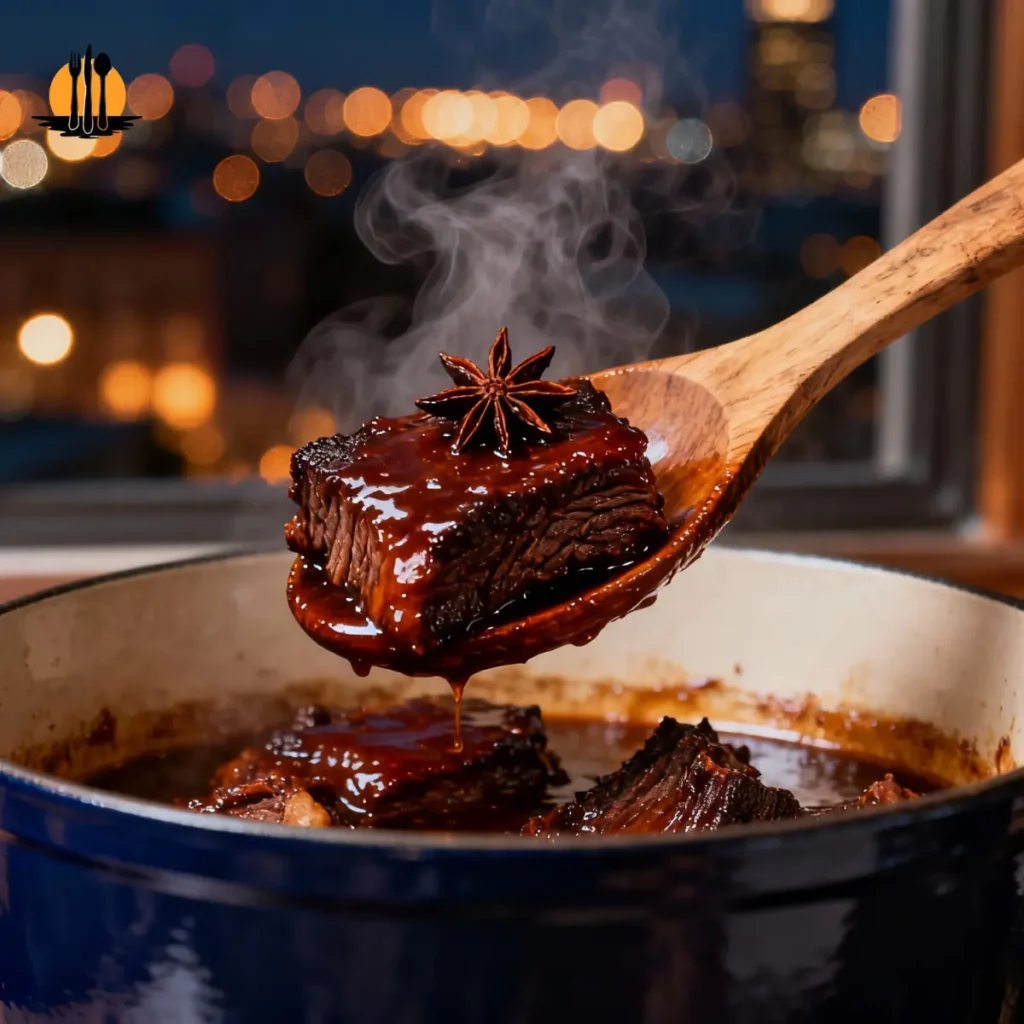
The signature stickiness comes from patience and a good cornstarch slurry added at the very end. You want the sauce to cling to the back of a spoon, coating the beef beautifully without becoming gloopy or overly gelatinous. This glossy glaze is the visual cue that your efforts have officially paid off.
Variations to Spice Up Your Beef Pares
Cooking is about experimentation and making a dish your own. While this classic beef brisket stew remains my personal favorite, there are several ways to tweak this beef pares recipe to suit your busy weeknight schedule or dietary needs.
The Spicy “Kanto” Style
If you love heat, add a generous spoonful of chili garlic oil right before serving. This spicy kick cuts through the richness of the fat and transforms the sweet gravy into something exciting and bold. It mimics the popular alternative street styles found throughout the busier districts of Manila.
Using Chicken or Pork
You do not always have to use red meat. Chicken thighs or pork belly work wonderfully with this anise-flavored sauce base. If you need another quick, budget-friendly weeknight option, my cheap teriyaki chicken meal prep is another excellent alternative for chaotic schedules.
Pares Mami (Noodle Soup Version)
Instead of serving it with rice, try pouring the meat and plenty of extra broth over fresh egg noodles. This version turns the thick stew into a comforting noodle soup that highlights the incredible versatility of our recipe base. It is the ultimate cold-weather alternative to the classic rice pairing.
Serving and Storing Your beef pares recipe
Presentation is just as important as preparation. We are not just serving a stew; we are presenting a complete Filipino Beef Pares experience that mimics the comforting style of a traditional braise but with a distinct Asian flair.
Making the Garlic Fried Rice
Transform your leftover cold rice by stir-frying it with plenty of minced golden garlic and a pinch of salt. The aromatic, crunchy garlic bits provide the perfect texture contrast to the soft braised meat. If you love tangy contrasts that cut through rich dishes, try my fried pickle dip with chips as a fun appetizer before the main event.
Don’t Forget the Clear Soup
In authentic establishments, you are always served a small bowl of hot broth on the side to cleanse your palate. I simply reserve a cup of the beef boiling liquid before adding the soy sauce and sugar, then season it lightly with salt and green onions for that true Manila street food experience. This simple side broth ties the whole meal together.
Storage and Reheating Tips
This dish tastes even better the next day as the flavors have more time to meld together in the fridge. Store it in an airtight container for up to three days and gently reheat it on the stove, adding a splash of water if the sauce has become too thick. It also freezes beautifully for up to two months.
🍽️ What to Serve With This?
- Carbs: Essential Garlic Fried Rice (Sinangag) is non-negotiable here.
- Greens: Steamed Bok Choy or a side of Pickled Papaya (Atchara) to balance the richness.
- Drink: A cold glass of Calamansi Juice or Iced Lemon Tea cuts through the savory, sticky sauce perfectly.
Common Mistakes to Avoid
I have seen many people ruin a perfectly good pot of meat by rushing the process or ignoring simple rules. Making a great beef brisket stew requires attention to detail, and there are a few specific traps you must steer clear of to ensure your dinner is a success.
Rushing the Cooking Process
Never try to speed up the braising by cranking up the heat to a rapid boil. High heat causes the muscle fibers to seize up and toughen, which completely destroys the tender texture we want to achieve. True melting tenderness requires gentle, consistent heat over time.
Overusing the Star Anise
Be very careful not to add too many pieces of star anise or leave them in the pot for too long after cooking. This spice is potent and can easily make your dish taste like bitter medicine or licorice rather than a balanced savory broth. Stick strictly to the recommended three pieces for a harmonious flavor.
Skipping the Browning Step
Do not be tempted to throw raw meat directly into the liquid without searing it first. Browning the beef creates a fond at the bottom of the pot that adds a deep, caramelized richness that boiling alone simply cannot reproduce. This single step lays the foundation for your entire sauce profile.
The Grandpa Chef Culinary Finish
After over 40 years behind the stove, I know the magic of this authentic beef pares recipe lies in the balance. The sweet mahogany sauce needs the salty side broth to be complete. It is all about finding harmony between strong, honest flavors.
A Final Kitchen Secret Before You Serve
No competitor mentions this technique online, but you must let the stew rest for ten minutes after cooking. This allows the brisket fibers to relax and fully absorb the savory star anise juices. It ensures a professional-grade finish that generic recipes completely miss.
Honest Meals for Honest People
My promise to you is clear: I don’t just give you a recipe, I give you a win for your family. No fluff, just honest flavors that work.
Discover More Main Dishes Recipes
If this becomes a family favorite, please share a photo or pin it. Explore my other kitchen secrets in the Main Dishes category right here on zurbanrecipe.com.
Craving something sweet after this meal? Find more baking science and technical secrets at cakecravingsdaily.com for the perfect dessert.
Let’s Connect on Pinterest
I now focus all my social energy exclusively on Pinterest. It is the only platform where I personally reply to every single question every day.
Share your photos and ask me your cooking questions here: Grandpa Chef on Pinterest.
From my urban home to yours, savor every spoonful and share the love. Happy cooking.
Grandpa Chef’s Quick (FAQ)
Have a burning question about mastering this authentic beef pares recipe at home? Over my 40 years in the kitchen, I have gathered the exact answers you need to guarantee a flawless, melt-in-your-mouth result every single time.
What makes it different from regular stew?
The main difference lies in the spices and the sweetness level. Pour la version américaine, là où les ragoûts occidentaux s’appuient sur le thym ou le romarin, nous utilisons ici la badiane (star anise), le gingembre et le sucre brun pour créer ce profil aromatique signature.
Can I use chuck roast instead of brisket?
Absolutely, chuck roast creates a fantastic result because it has enough marbling to stay moist. Just like any beef brisket stew, the key is choosing a cut that has plenty of connective tissue to thicken the sauce naturally as it cooks.
How do I make the beef tender?
Patience is your best ingredient here. You must simmer the meat on low heat for at least two hours to break down the fibers. If you rush it with high heat, your beef will turn out tough and chewy instead of melting in your mouth.
What does it taste like compared to American stew?
It is significantly sweeter and more savory due to the soy sauce and sugar combination. Think of it as a rich, umami-packed gravy that pairs perfectly with garlic rice, whereas an American stew is often more herbaceous and relies on root vegetables for flavor.

Perfect Beef Pares Recipe at Home
Ingredients
Method
- Heat oil in a large pot over medium-high heat. Sear the beef cubes in batches until browned on all sides, then set them aside.
- In the same pot, sauté the ginger, garlic, and onions until they are soft and fragrant.
- Return the beef to the pot and pour in the water (or beef broth), soy sauce, and star anise.
- Bring to a boil, then lower the heat to a simmer. Cover and cook for 2 to 3 hours (or 40 minutes in a pressure cooker) until the meat is tender.
- Add the brown sugar and season with salt and pepper to taste.
- Pour in the cornstarch slurry slowly while stirring. Simmer for another 2 minutes until the sauce thickens to your liking.
- Full step-by-step with tips is explained clearly in the article.