
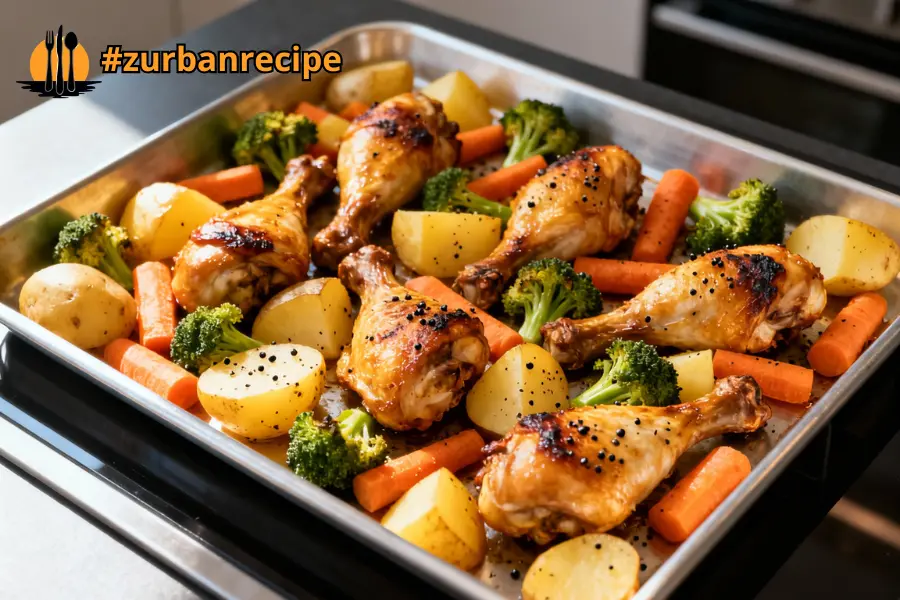
Sheet pan dinners have become one of my favorite tricks in the kitchen. After a long day, most home cooks don’t want three pots on the stove or a sink full of dishes. With a single pan, a few simple ingredients, and the right heat, you can create a dinner that looks impressive, tastes rich and comforting, and requires almost no cleanup. It is the kind of meal that gives you real results with very little effort.
In this guide, I’ll walk you through everything that makes Sheet Pan Dinners a game changer. We will look at the tools that matter, the ingredients that roast beautifully, the easy formulas I rely on for balanced meals, and a collection of recipes you can use on busy weeknights. Whether you cook for yourself or for a family, these one-pan meals will help you save time, reduce stress, and enjoy dinner again.
— Chef
Table of Contents
What Are Sheet Pan Dinners and Why They Matter
Sheet pan dinners are one of the most efficient ways to prepare a complete meal with minimal effort. By roasting proteins and vegetables together on a single pan, you reduce hands-on time, eliminate the need for multiple pots, and still achieve deep, satisfying flavors. This method is built for modern home cooks who want reliable results without complicated steps.
The Simple Idea Behind Sheet Pan Cooking
The concept is straightforward: place your ingredients on a single pan, season well, and let the oven handle the rest. High, consistent heat helps proteins brown, vegetables caramelize, and spices release their full aroma. The simplicity is what makes this method so effective, it transforms basic ingredients into a complete, flavorful dinner with almost no supervision.
Why Sheet Pan Dinners Are Trending in American Kitchens
Sheet pan meals fit perfectly into the way people cook today. Americans want recipes that are fast, healthy, and easy to clean up, especially on busy nights. Sheet pan dinners check all those boxes. They require little prep, they look great when served, and they deliver consistent results even for beginner cooks. Their popularity on social platforms has only increased the demand for simple, visually appealing recipes that work every time.
Benefits for Busy Families and Weeknight Meals
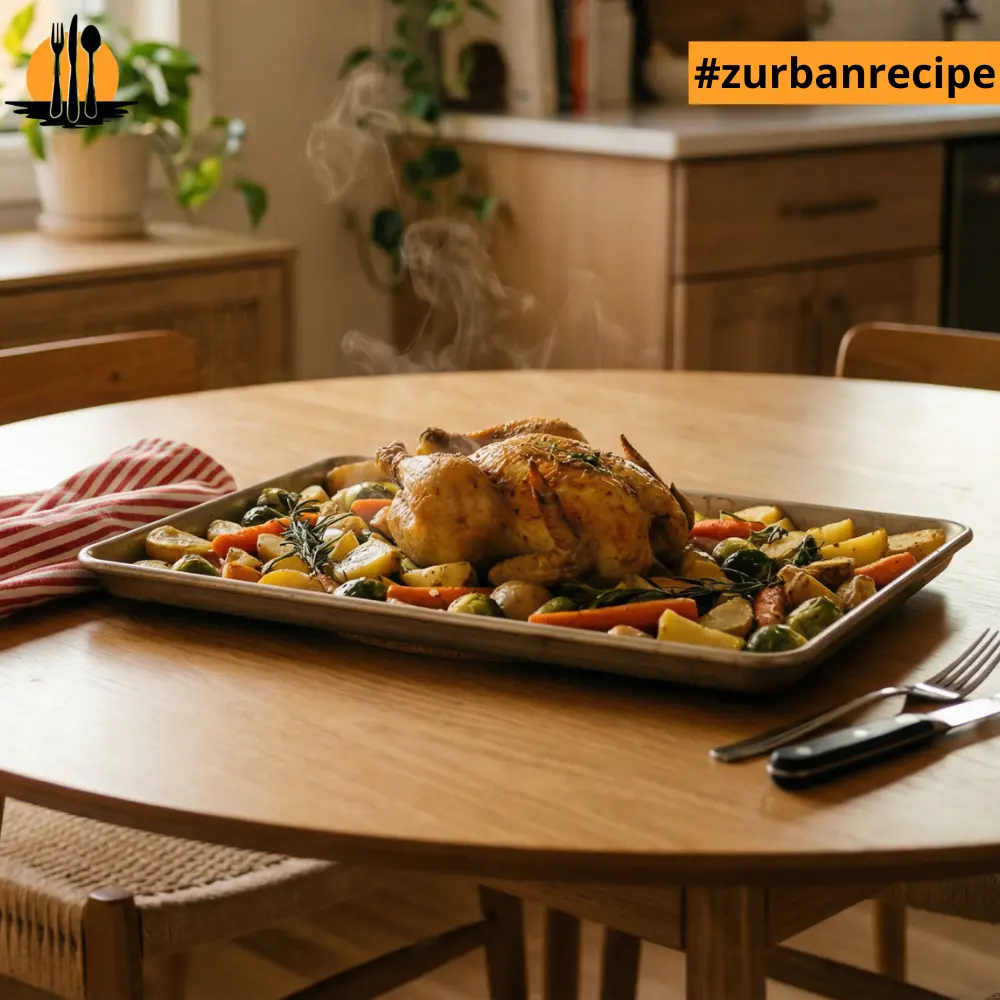
For families, sheet pan dinners bring convenience and flexibility. Everything cooks together, which saves time and keeps dinner stress-free. Cleanup is quick, picky eaters can be accommodated by separating ingredients on the same tray, and the method encourages balanced meals with both proteins and vegetables. Whether it’s a rushed weekday or a low-energy evening, sheet pan meals offer a dependable solution that keeps dinner enjoyable instead of overwhelming.
Essential Tools for Perfect Sheet Pan Dinners
The right tools can completely change the quality of your sheet pan meals. A good pan ensures even cooking, prevents burning, and helps ingredients develop the crisp edges and caramelization that make these dinners so satisfying. With just a few essentials, you can improve flavor, texture, and consistency every time you cook.
The Best Types of Sheet Pans to Use
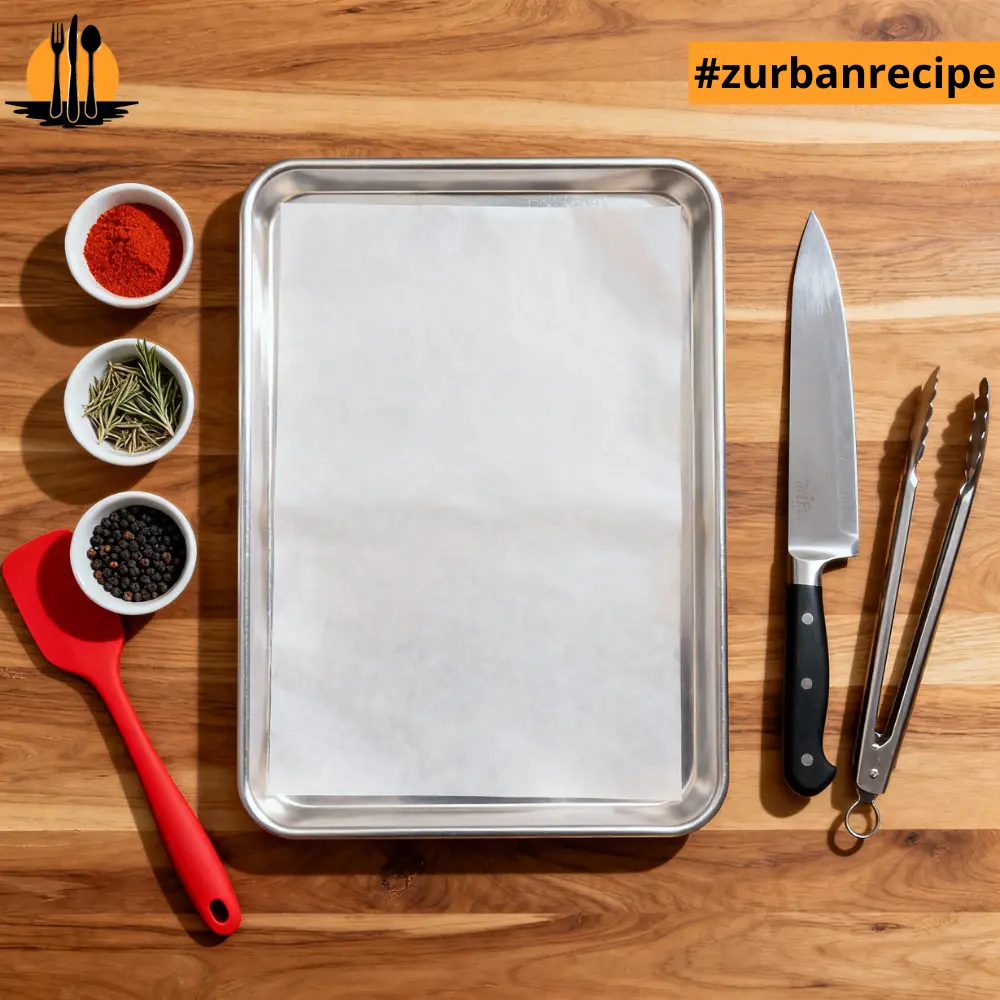
Not all sheet pans perform the same. For the best results, choose a sturdy aluminum or stainless steel pan, since these materials heat evenly and resist warping under high temperatures. A standard half-sheet pan is ideal for most home ovens, offering enough space for good air circulation so ingredients roast instead of steam. Rimmed edges are also important, helping contain juices and prevent spills while cooking.
Must-Have Kitchen Tools That Make a Difference
A few additional tools can make sheet pan cooking even easier. Tongs and spatulas help turn ingredients halfway through roasting for better browning. Mixing bowls make seasoning and marinating simpler and faster. A sharp chef’s knife ensures even chopping, which leads to more consistent cooking. These tools reduce prep time and keep the process smooth from start to finish.
What to Avoid to Keep Meals from Sticking or Burning
To keep ingredients from sticking or burning, avoid overly thin pans that heat unevenly and brown food too quickly. Lining your pan with parchment paper or a silicone baking mat prevents sticking and makes cleanup effortless. Crowd control is important too. When ingredients overlap or are packed too tightly, they steam instead of roast. Spacing them out ensures crisp edges and deeper flavor.
Ingredients That Work Best in Sheet Pan Meals
The ingredients you choose can make the difference between average sheet pan meals and unforgettable Sheet Pan Dinners. Some proteins and vegetables handle high oven heat very well, developing color, flavor, and texture, while others need small adjustments to cook evenly. Knowing which ingredients perform best helps you build balanced, reliable Sheet Pan Dinners every time.
Proteins That Roast Perfectly
The best proteins for Sheet Pan Dinners are those that brown well and stay juicy. Chicken thighs and drumsticks are ideal because they remain tender under high heat. Salmon, white fish, and shrimp cook quickly and pair easily with a variety of vegetables and seasonings. You can also combine them, like in our chicken and shrimp recipes. For plant-based sheet pan meals, tofu becomes crisp on the outside while staying soft inside, making it a solid choice for quick weeknight dinners.
Vegetables That Caramelize Beautifully
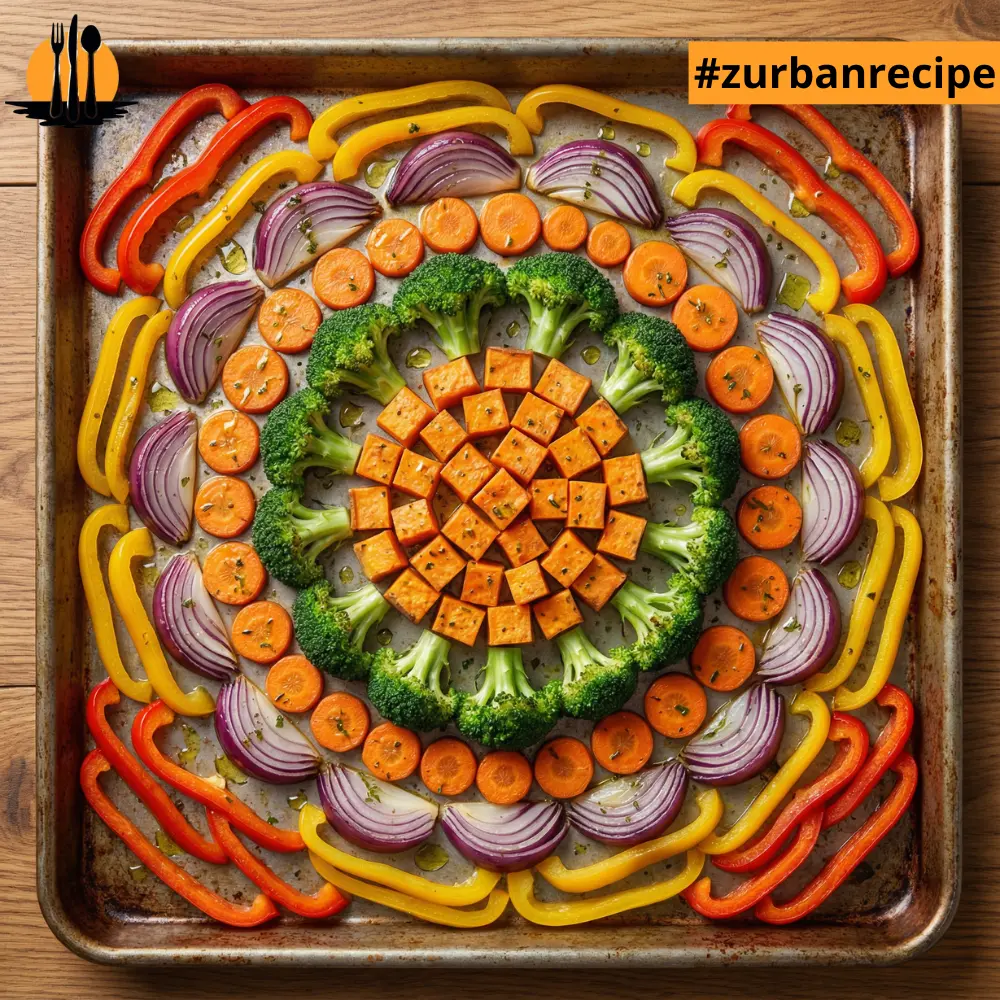
Roasting brings out natural sweetness and deep flavor in vegetables, which is why they are a core part of most Sheet Pan Dinners. Root vegetables like sweet potatoes, carrots (discover their health benefits) and beets caramelize beautifully in the oven. Cruciferous vegetables such as broccoli (learn why it’s so good for you), cauliflower, and Brussels sprouts develop crisp edges and a rich roasted taste. Peppers and onions add color and gentle sweetness, balancing the pan with texture and flavor.
Seasonings, Marinades, and Flavor Boosters
Seasonings are what turn simple sheet pan meals into memorable Sheet Pan Dinners. Dry spices like garlic powder, paprika, cumin, and chili flakes create depth and warmth as they toast in the oven. If you’re looking for inspiration, check out our meatloaf seasoning guide, many of the same blends work beautifully in sheet pan dishes too. Marinades built with olive oil, citrus, soy sauce, or honey help proteins stay moist and encourage browning. Finishing touches such as lemon zest or a sprinkle of fresh herbs added after baking brighten the entire tray.
Smart Substitutions for Quicker Weeknight Cooking
One of the strengths of Sheet Pan Dinners is how flexible they are. You can swap in faster-cooking proteins like shrimp or thin cut chicken breast when you need dinner on the table quickly. Pre-cut or frozen vegetables reduce prep time and still roast well when spread out on the pan. If a certain vegetable usually takes longer to cook, cutting it into smaller pieces helps it finish at the same time as the rest. These simple substitutions keep your weeknight Sheet Pan Dinners both practical and flavorful.
How to Build a Balanced Sheet Pan Dinner
A well-made meal using Sheet Pan Dinners depends on harmony between protein, vegetables, seasoning, and cooking time. When these elements work together, you get a tray that tastes complete, cooks evenly, and offers the right mix of textures. With a few simple guidelines, you can consistently build balanced weeknight meals using just one pan. These principles help transform everyday ingredients into reliable Sheet Pan Dinners you can repeat all year long.
Protein, Veggie, and Carb Ratios
A balanced tray starts with the right proportions. Aim for a mix that feels satisfying without being heavy. Most cooks use a combination of lean protein, colorful vegetables, and a starch like potatoes or squash for a complete meal. Spreading ingredients out in a single layer helps everything roast instead of steam, giving you better flavor and texture.
Timing Rules for Even Cooking
Different ingredients cook at different speeds, so timing matters. Dense vegetables like carrots and sweet potatoes benefit from starting earlier. Quick-cooking proteins such as thin chicken pieces or shrimp can be added later. Cutting ingredients into similar sizes also helps everything finish at the same time, making the meal easier to manage.
Tips for Preventing Soggy Vegetables
Roasted vegetables should be tender with crisp edges, not soft or watery. To achieve that, give them enough space on the pan so heat can circulate. Use a light coating of oil and roast at a temperature high enough to encourage caramelization. If moisture builds up, turning ingredients halfway through can help release steam and improve browning.
How to Make Everything Crispy and Flavorful
Crisp, golden results come from a combination of high heat, proper spacing, and good seasoning. A drizzle of oil helps browning, while spices deepen in flavor as they warm in the oven. For extra crispiness, placing a wire rack on the sheet pan lifts proteins slightly, allowing air to circulate underneath. Finishing with fresh herbs, lemon, or a simple sauce brings brightness and completes the dish.
10 Best Sheet Pan Dinner Recipes to Try Tonight
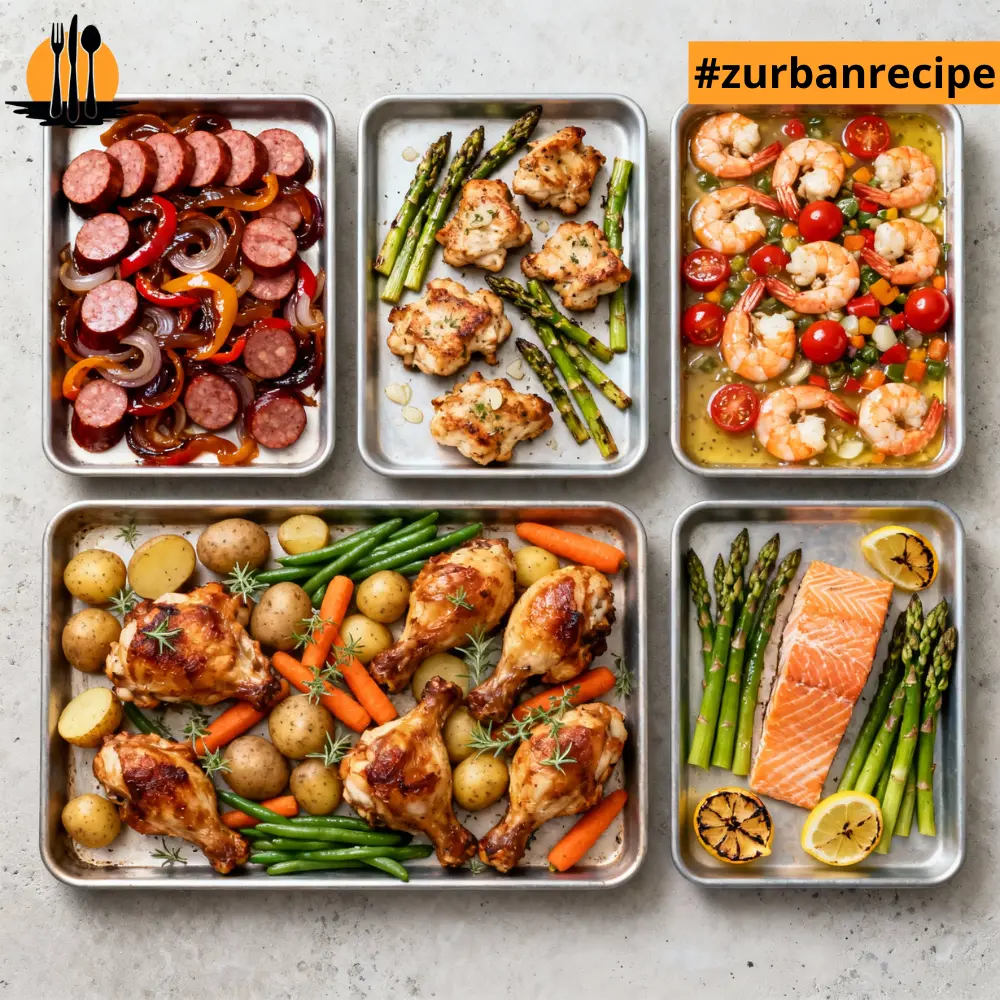
If you want simple, flavorful ideas that fit busy weeknights, these options show just how versatile Sheet Pan Dinners can be. Each recipe brings a different mix of textures and flavors, all with minimal prep and almost no cleanup. Whether you prefer chicken, seafood, sausage, or plant-based meals, these trays offer reliable choices you can use again and again.
Classic Sheet Pan Chicken and Vegetables
This is the kind of dependable dinner every home cook keeps in rotation. Chicken pieces roast until golden and juicy while vegetables soften and caramelize alongside them, absorbing all the savory flavors from the pan. It’s flexible, budget-friendly, and easy to customize with seasonal produce. A squeeze of lemon or a sprinkle of herbs at the end brings everything together for a complete, comforting meal, similar to this classic sheet pan version that many home cooks enjoy.
Sheet Pan Salmon with Lemon and Asparagus
This dish delivers bright, fresh flavors with almost no effort. Salmon cooks quickly, staying tender while developing a lightly crisp top. Asparagus roasts beside it, picking up the citrus and garlic notes from the seasoning. This combination feels elegant enough for guests but simple enough for a busy weeknight, similar to our easy salmon sheet pan recipe. Add a few lemon slices on top of the salmon as it bakes to infuse even more freshness into the entire tray.
Sheet Pan Shrimp Scampi and Roasted Veggies
Shrimp is ideal for fast dinners, and roasting it intensifies its flavor. Tossed in butter, garlic, and a touch of lemon, the shrimp cooks in minutes while vegetables gain color and texture around it. This recipe offers a lighter alternative to traditional stovetop scampi but keeps the same rich flavor profile.
If you enjoy easy seafood trays, you’ll also love exploring our Sheet Pan Shrimp Scampi and Roasted Veggies variation, which builds on the same fresh, vibrant flavors. Serve it as-is or with bread, rice, or pasta for a more complete meal.
Sheet Pan Sausage and Peppers
Bold, colorful, and deeply satisfying, this tray brings together sliced sausage, bell peppers, and onions that roast until they’re caramelized and fragrant. The natural fats from the sausage help the vegetables brown beautifully, creating a meal that feels rustic yet incredibly easy. For cooks who want an even richer flavor balance and a foolproof method, our Sheet Pan Sausage recipe walks through the exact roasting process step by step. Serve it on its own, paired with potatoes, or tucked into crusty rolls for a hearty sandwich-style dinner.
Sheet Pan Garlic Butter Chicken Recipe
Small, evenly cut pieces of chicken roast quickly, making this a perfect option for nights when you want dinner fast. The garlic butter coating melts into the pan, creating crisp edges and a savory aroma that fills the kitchen. Recipes like Sheet Pan Garlic Chicken pair beautifully with vegetables or potatoes, blending simplicity with bold flavor. It’s a great choice for families since the bite-sized pieces cook evenly and are easy to serve.
Sheet Pan Honey Mustard Chicken
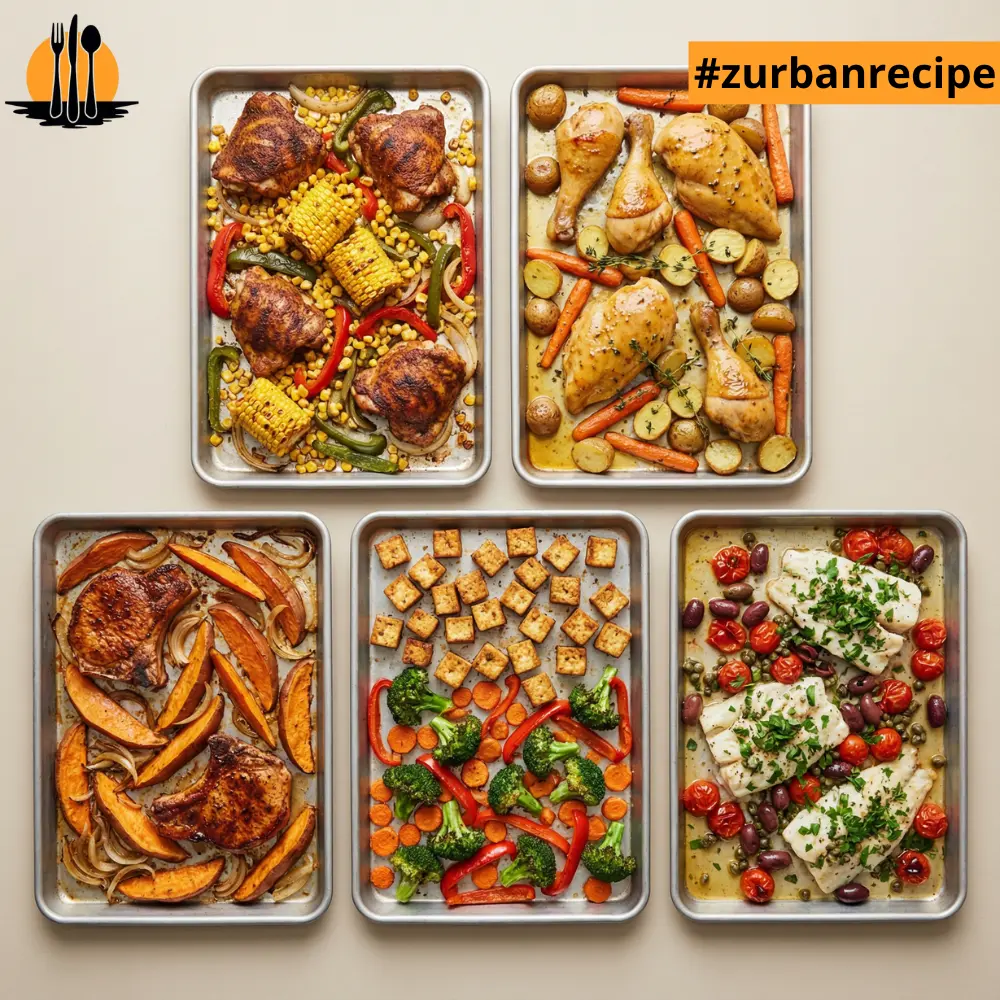
A balance of sweet and tangy flavors transforms simple ingredients into something memorable. In our detailed recipe for Sheet Pan Honey Chicken, the sauce thickens into a glossy glaze as it roasts, coating both the chicken and the surrounding vegetables. Carrots, green beans, or potatoes all work well because they absorb the honey mustard while keeping their texture. The result is comforting without feeling heavy, making it a reliable weeknight favorite.
Sheet Pan BBQ Chops and Sweet Potatoes
This tray is all about bold comfort with minimal effort. BBQ flavors develop beautifully as the chops roast alongside sweet potatoes, which caramelize and create a natural sweet and savory balance. Everything cooks evenly on one pan, making this sheet pan BBQ chops dinner ideal for busy nights when you still want deep, satisfying flavor without extra steps.
Veggie-Packed Sheet Pan Tofu Meal
This plant-based tray highlights how sheet pan tofu turns crisp and golden while vegetables roast evenly for color, texture, and balance. A simple seasoning or light marinade adds flavor without complexity, making this meal perfect for lighter dinners or anyone looking to enjoy a satisfying sheet pan tofu option with minimal prep and cleanup.
Mediterranean Sheet Pan Fish
This fresh, vibrant tray shows how sheet pan fish flakes beautifully when roasted alongside tomatoes, olives, garlic, and herbs. As everything cooks together, the natural juices form a light, aromatic sauce that keeps the dish bright and satisfying. It’s an easy sheet pan fish dinner that delivers Mediterranean flavor without feeling heavy.
Sheet Pan Southwest Chicken and Corn
This colorful tray brings bold flavors together with tender chicken, roasted corn, and warm spices that develop beautifully in the oven. The combination creates a lively balance of smoky, slightly sweet notes that make this sheet pan southwest chicken meal both comforting and vibrant. Everything cooks on one pan, making it an easy option for busy nights when you want big flavor with minimal effort.
Healthy Sheet Pan Dinners for Better Eating Habits
For anyone wanting lighter meals without losing flavor, Sheet Pan Dinners offer a simple way to balance proteins, vegetables, and smart cooking methods. They’re also part of a larger collection of quick meals and fast dinners that help you eat better without spending hours in the kitchen. By using high heat and minimal oil, these trays create natural caramelization and bold flavor while keeping meals nutritious. They are ideal for weeknights when you want something satisfying but not heavy.
Low-Carb Sheet Pan Dinner Ideas
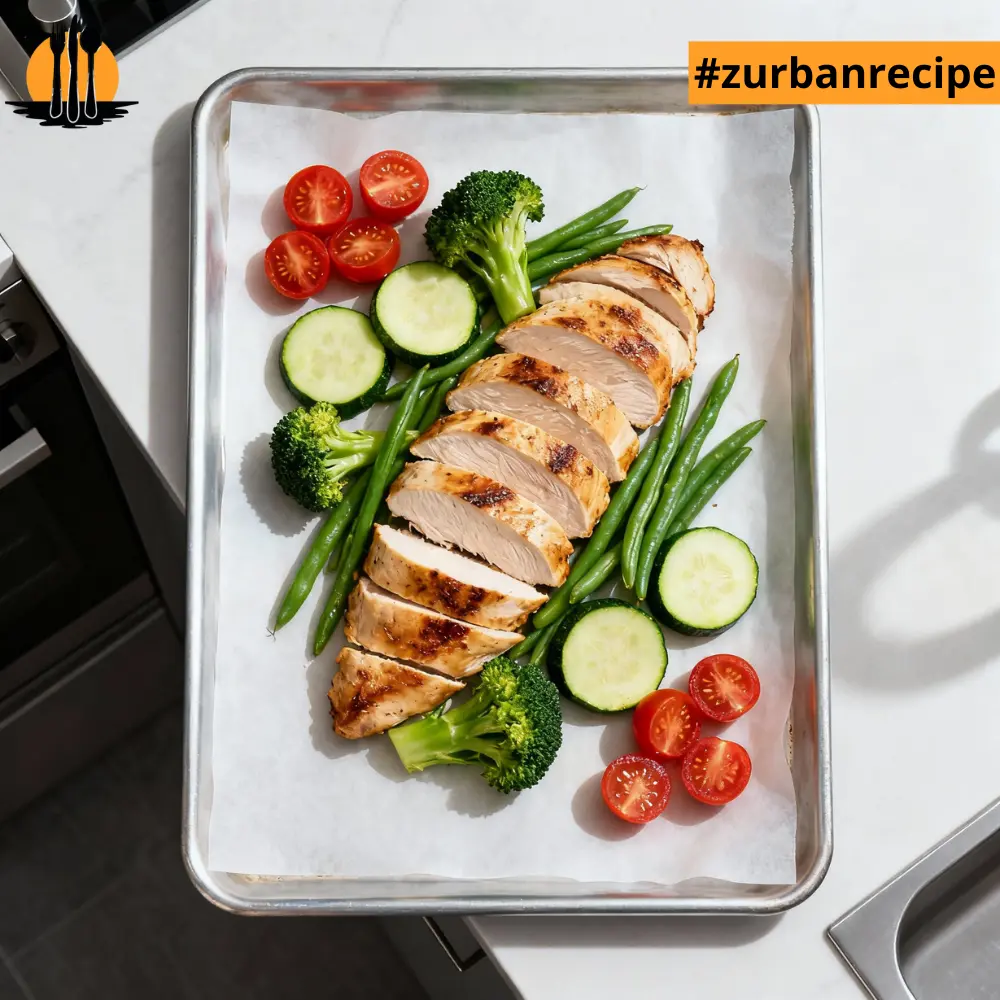
Low carb meals work extremely well with Sheet Pan Dinners because they rely on vegetables that roast beautifully, such as broccoli, cauliflower, zucchini, and peppers. When paired with lean proteins, these trays feel satisfying without being heavy. High heat brings out natural caramelization, giving these meals rich flavor without extra effort.
High-Protein Variations
For higher protein meals, options like chicken breast, turkey, salmon, and tofu work especially well. These ingredients cook quickly and pair naturally with a wide range of vegetables. Using simple spice blends or light marinades helps them stay moist while adding depth. These trays are perfect for active lifestyles or anyone who wants meals that keep them energized throughout the afternoon or evening. If you want to stay on track all day, try our high-protein desserts as a post-dinner treat.
Family-Friendly Options Kids Love
Healthy meals should also be meals kids enjoy. Smaller cuts of chicken, mild seasonings, roasted potatoes, and sweeter vegetables like carrots or corn create trays that appeal to younger eaters. Separating ingredients on different sections of the pan can also help picky eaters feel more comfortable while still keeping dinner simple for the cook.
How to Add More Vegetables Without Extra Work
A big advantage of sheet pan cooking is how easy it is to increase the vegetable portion of the meal. Adding a second tray of vegetables or mixing different textures, such as soft squash with crisp peppers, creates a more satisfying dinner. Roasting develops deep flavor without requiring extra steps, making it one of the easiest ways to incorporate more produce into your routine.
Meal Prep and Storage for Sheet Pan Dinners
One of the biggest advantages of Sheet Pan Dinners is how easily they fit into a weekly meal prep routine. With minimal effort, you can prepare ingredients ahead of time, cook multiple portions at once, and store meals in ways that keep both flavor and texture intact. This makes sheet pan cooking an excellent option for busy families, work lunches, or anyone wanting to stay organized during the week.
How to Prep Ingredients Ahead for the Week
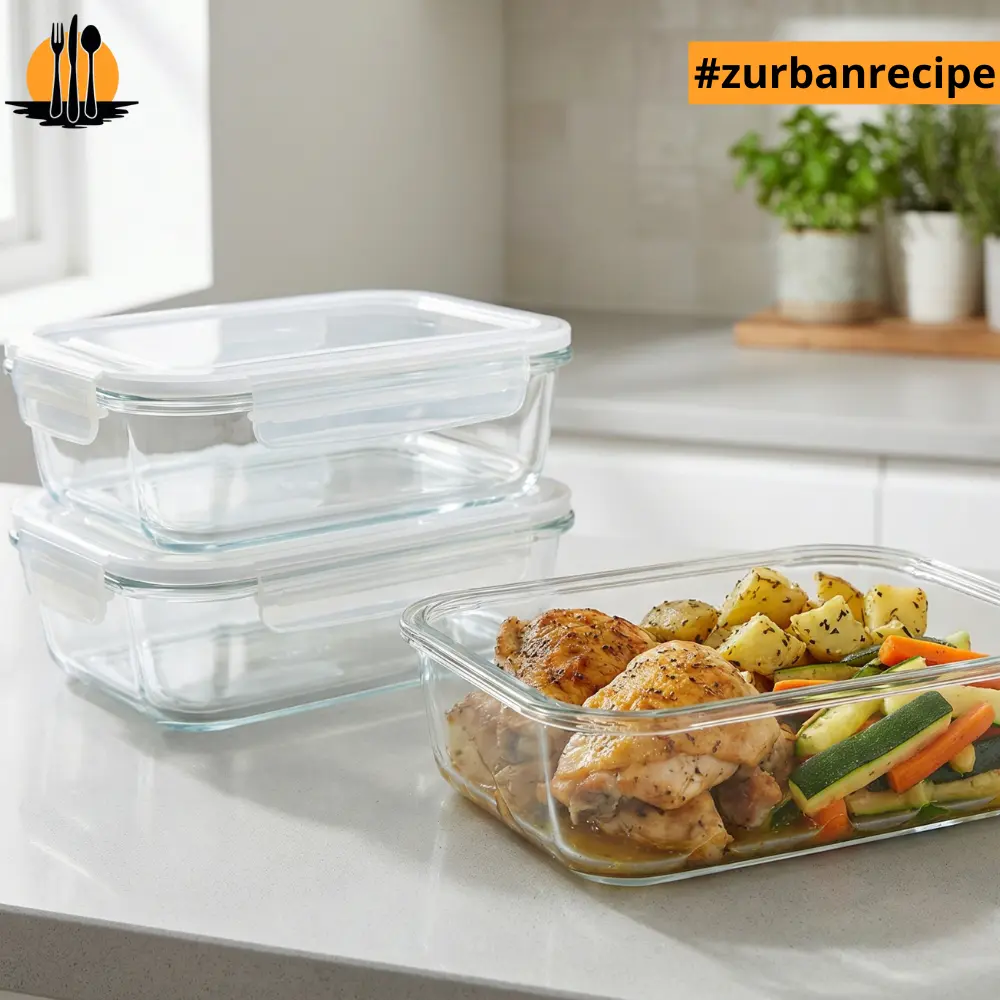
Meal prep becomes simpler when ingredients are organized in advance. Vegetables can be washed, peeled, and chopped ahead of time, then stored in airtight containers in the refrigerator. Proteins marinate well overnight and develop deeper flavor as they rest. Keeping components ready allows you to assemble a tray in minutes when it is time to cook, turning weeknight dinners into an effortless routine.
Freezer-Friendly Tips for Long-Term Storage
Many sheet pan ingredients freeze well, making it easy to plan meals weeks ahead. Portion proteins and vegetables into freezer-safe bags with seasonings or marinades so they absorb flavor as they thaw. If you’re unsure which components hold up best in the freezer, take a look at our guide on how to freeze beef stock since similar principles apply to sauces and marinated ingredients. When you are ready to cook, simply spread them on a tray and roast. This approach saves time, reduces waste, and keeps meals consistent even during your busiest periods.
Best Ways to Reheat Without Losing Crispiness
Reheating roasted meals requires a bit of care to preserve texture. Using the oven or an air fryer helps restore crisp edges better than a microwave. Spread leftovers on a tray, warm them at moderate heat, and allow space between pieces to prevent steaming. These simple steps bring back the original quality of the meal without drying it out.
Creative Ways to Reuse Leftovers
Leftovers from sheet pan meals can easily become new dishes. Roasted vegetables make great additions to salads, omelets, or grain bowls. Cooked chicken or fish can be used in wraps, tacos, or sandwiches. Repurposing ingredients keeps meals interesting throughout the week and ensures nothing goes to waste.
Common Mistakes and How to Avoid Them
Even though Sheet Pan Dinners are simple by design, a few common mistakes can affect flavor, texture, and cooking time. Understanding these pitfalls makes your meals more consistent, more flavorful, and easier to prepare. With just a few adjustments, anyone can improve their roasting technique and get better results every time.
Overcrowding the Sheet Pan
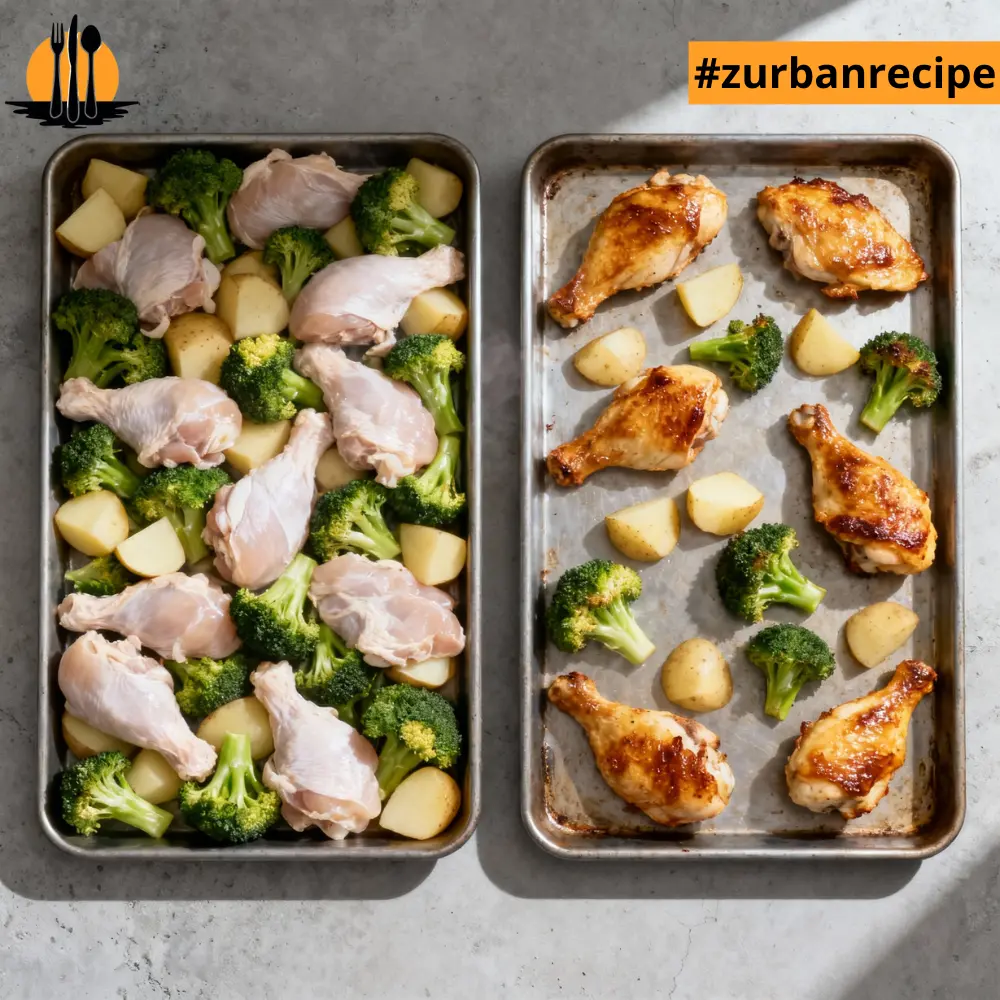
When ingredients are packed too closely together, they steam instead of roast. This prevents browning and leaves vegetables soft rather than crisp. To avoid this, spread everything in a single layer with space between pieces. If you are cooking a large batch, use two pans instead of one to maintain proper heat circulation.
Using Ingredients That Cook Too Differently
Not all foods cook at the same speed. Dense vegetables like potatoes or carrots take longer than quick-cooking items like fish or thin chicken pieces. Mixing them without planning leads to uneven results. Staggering cooking times or cutting slow-cooking items into smaller pieces helps everything finish together.
Wrong Temperature Settings
Roasting works best at higher temperatures, which create caramelization and crisp edges. Using an oven temperature that is too low can result in pale, soft ingredients. On the other hand, excessively high heat may burn delicate foods. Finding the right balance, usually between 400°F and 425°F, ensures even browning without drying out the meal.
Too Much or Too Little Oil
Oil helps ingredients brown and prevents sticking, but the amount matters. Too much oil can make vegetables greasy and heavy. Too little can lead to dry surfaces and uneven roasting. A light, even coating is all that is needed to enhance the natural flavors of the ingredients and support proper caramelization.
Sheet Pan Dinners Variations for Every Season
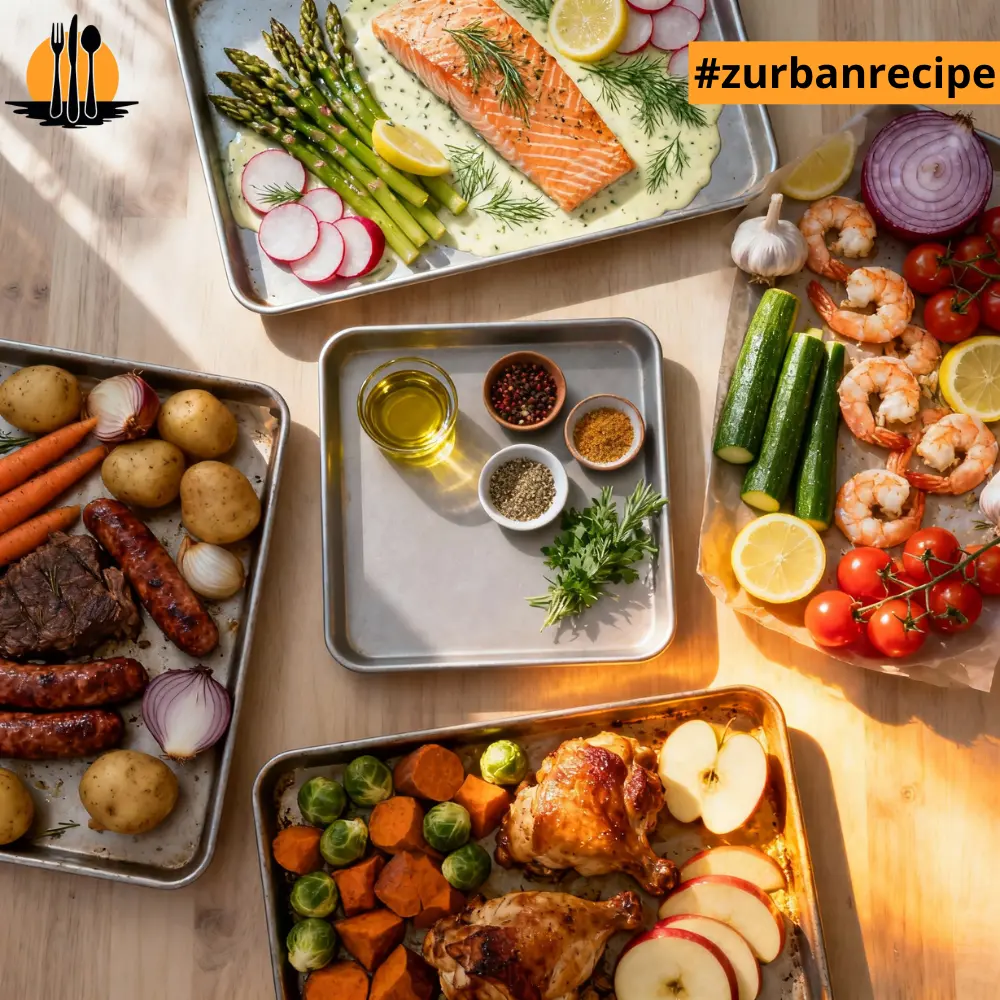
Different seasons bring different produce, and that makes it easy to refresh your Sheet Pan Dinners throughout the year. Each season offers its own flavors, textures, and colors, allowing these meals to stay exciting and versatile. Whether you want something bright and fresh in spring, smoky and cozy in fall, or hearty in winter, seasonal variations help you create Sheet Pan Dinners that feel new while keeping the same simple one-pan method.
Fall-Inspired Sheet Pan Recipes
Fall ingredients shine when roasted. Vegetables like sweet potatoes, carrots, cauliflower, and Brussels sprouts caramelize beautifully and pair well with warm spices. Adding chicken thighs, sausage links, or seasoned tofu completes the tray. Flavors like maple, apple cider, or rosemary bring out deep autumn notes. The same cozy vibes appear in our pumpkin spice cake with caramel drizzle, making it a perfect complement to your fall dinner.
Summer Fresh Sheet Pan Ideas
Summer brings lighter ingredients that cook quickly. Zucchini, cherry tomatoes, asparagus, and bell peppers match well with fish, shrimp, or sliced chicken. The goal is to keep flavors bright. Lemon, garlic, fresh herbs, and a small drizzle of olive oil create trays that feel refreshing and light. Roasted corn kernels can also add sweetness and color.
Winter Comfort Sheet Pan Meals
Winter calls for comforting trays with hearty ingredients. Root vegetables, squash, onions, and potatoes hold up well under high heat and pair with proteins like chicken drumsticks or chops. Seasonings such as smoked paprika, garlic, and thyme add warmth. These meals feel satisfying while still using a simple one-pan approach, making them ideal for cold evenings.
Spring Herb-Loaded Dinners
Spring offers tender vegetables like asparagus, green beans, baby potatoes, and snap peas. These lighter ingredients roast quickly and work well with salmon, chicken breast, or plant-based proteins. A finishing touch of lemon zest or fresh spring herbs brings brightness and makes the tray feel fresh and seasonal, perfect for transitioning out of winter comfort food. That same citrusy brightness also makes a perfect appearance in our lemon bars, a classic dessert to round out your spring dinner.
Frequently Asked Questions About Sheet Pan Dinners
Home cooks often look for simple guidance when preparing Sheet Pan Dinners, especially when it comes to timing, temperature, ingredient pairing, and proper roasting technique. These are the four most frequently asked questions from people searching for practical solutions and better weeknight results.
Can you cook protein and vegetables on the same pan?
Yes, as long as you match ingredients with similar cooking times or adjust their size to compensate. Dense vegetables like potatoes, carrots, or squash may need to be cut smaller or added earlier. Faster ingredients such as shrimp, zucchini, or thin chicken pieces can be added later in the roasting process. Keeping everything in a single even layer also helps each ingredient roast instead of steam.
What oven temperature works best for sheet pan meals?
Most meals roast best between 400°F and 425°F. This range creates caramelization, crisp edges, and deeper flavor without drying out proteins. Lower temperatures can cause ingredients to steam, while extremely high heat may burn delicate vegetables. If the tray contains multiple ingredients, choosing the middle of the range (about 415°F) often gives the most balanced result.
How do you keep ingredients from getting soggy?
The key is spacing and airflow. When ingredients are crowded, moisture becomes trapped and prevents browning. Spread everything in a single layer, avoid stacking, and use a lightly oiled pan or parchment to help evaporation. Flipping ingredients halfway through can release excess steam, and preheating the pan before adding food can also improve crispiness.
Can you prepare sheet pan meals ahead of time?
Absolutely. Many ingredients can be prepped several days in advance. Vegetables can be chopped and stored in airtight containers, while proteins benefit from marinating overnight. Some meal prep cooks assemble entire trays ahead of time and refrigerate them until baking. Leftovers also reheat well, especially in the oven or air fryer, which restores the crisp texture better than a microwave.
Final Tips for Making Sheet Pan Dinners a Weekly Habit
Building a routine around Sheet Pan Dinners is one of the easiest ways to simplify weeknights without sacrificing flavor or nutrition. With a few habits, you can streamline your prep, reduce waste, and make these meals a natural part of your weekly planning.
Keep a Rotation of Reliable Ingredients
Having a small selection of go-to proteins and vegetables makes planning smoother. Items like chicken thighs, salmon, shrimp, broccoli, carrots, and potatoes roast consistently and pair with many different flavors. A predictable rotation reduces decision fatigue and helps you create fast, balanced meals anytime.
Use Spice Blends to Change Flavors Quickly
Keeping a few versatile spice blends on hand turns one basic tray into dozens of variations. Mediterranean herbs, smoky paprika mixes, lemon pepper, taco seasoning, or garlic and herb blends all give instant character to the same core ingredients. This simple approach keeps meals interesting without adding extra steps.
Balance Textures for Better Results
Great trays include a mix of textures. Pair crisp vegetables with tender proteins or combine soft ingredients like squash with something firmer like carrots. This contrast makes each bite more enjoyable and prevents the tray from feeling flat or repetitive. Cutting ingredients into similar sizes also helps them roast evenly.
Clean Up Smarter With Liners and Pre-Soak
Using parchment paper or silicone mats prevents sticking and reduces scrubbing time. For unlined pans, a quick soak in warm water loosens caramelized bits and makes cleanup easier. Keeping a clean sheet pan ready encourages you to use the method more often and stay consistent with your weekly routine.
Conclusion by Chef
Bringing more ease into your weeknight routine does not require complicated tools or long recipes. With Sheet Pan Dinners, you can transform simple ingredients into meals that feel balanced, flavorful, and comforting, all with minimal effort. What I love most about this method is how flexible it is. Every season brings new vegetables to roast, every spice blend creates a different mood, and every tray offers an opportunity to cook smarter, not harder.
If you are new to this style of cooking, start with a few reliable combinations, build a small rotation of flavors you enjoy, and let the oven do the work for you. Over time, these meals become more than a quick solution. They turn into a weekly ritual that saves time, reduces cleanup, and keeps dinner stress free.
Whether you cook for yourself or for a full table, sheet pan meals are a simple way to bring good food and good habits together.
— Chef
Further Learning About Balanced Cooking and Healthy Meal Prep
For readers who want to explore the science behind balanced meals and smarter weeknight cooking, two trusted health resources offer clear and helpful guidance. The Cleveland Clinic explains how to structure a balanced plate and choose ingredients that support long-term wellbeing:
https://health.clevelandclinic.org/balanced-diet
You can also explore practical strategies for planning healthy meals ahead of time in the meal prep guide from Harvard T.H. Chan School of Public Health:
https://nutritionsource.hsph.harvard.edu/meal-prep
These references complement the principles of sheet pan cooking and provide reliable information for building healthier habits at home.